
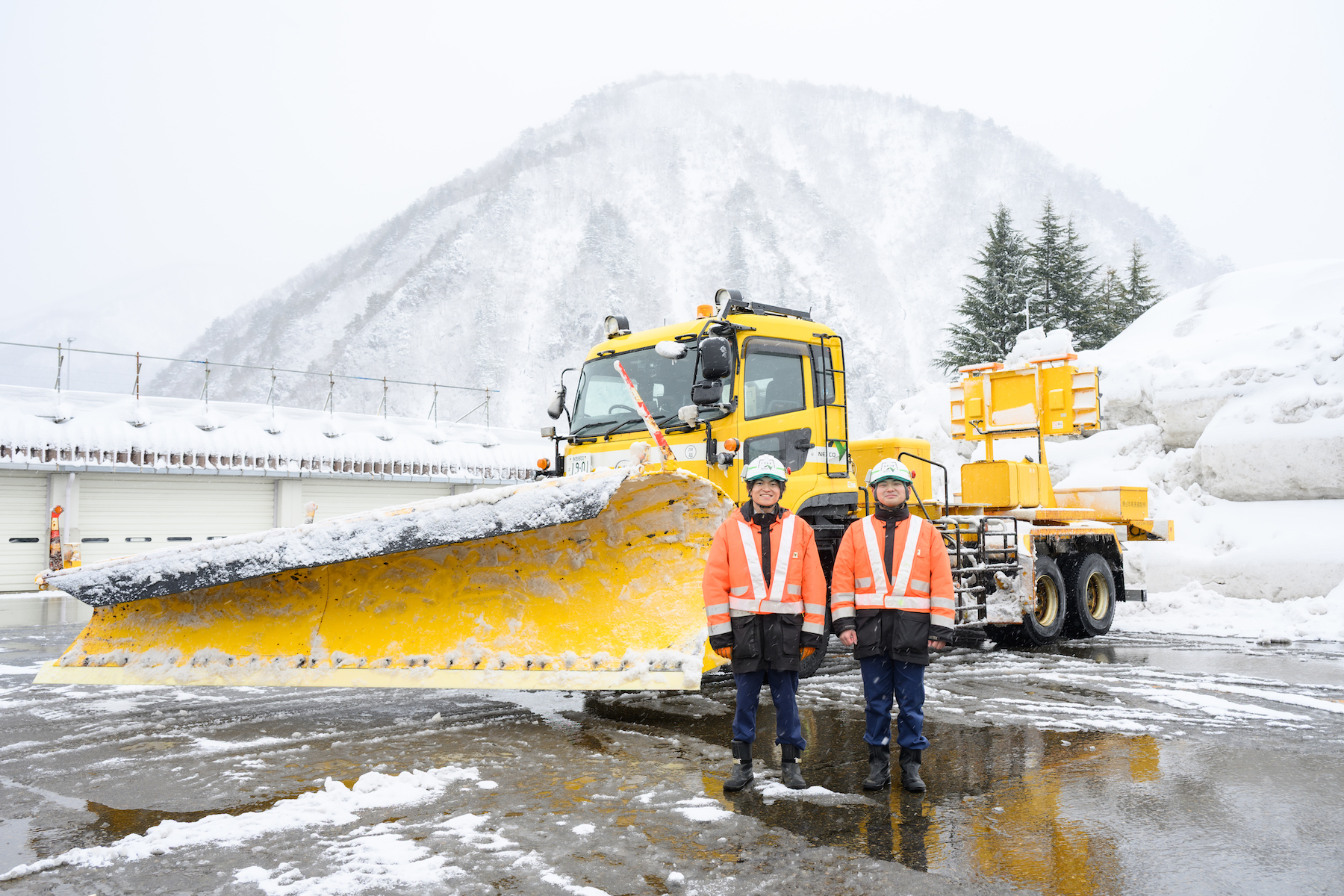
Supporting safety and driving logistics—
A close look at two people tackling snow removal work.
Niigata Prefecture is one of Japan's leading heavy snowfall regions. Snow typically falls from the end of November to the end of March. The safety and security of Expressway are maintained and production and logistics continue to operate even under such conditions thanks to the 24-hour snow removal operations that battle the snow.
We spoke with Taiki Asazuma and Kosei Kurosaki from NEXCO Maintenance Niigata about snow removal work on Expressway, as well as their thoughts and feelings about their work.
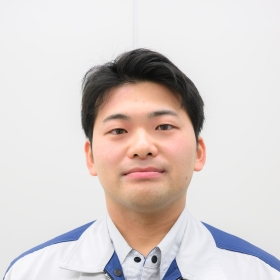
Joined the company in 2016. Assigned to the Maintenance Department at the Yuzawa Plant in 2022. From July 2024, will specialize in maintenance work to maintain road safety and comfort as part of Maintenance Department 1.
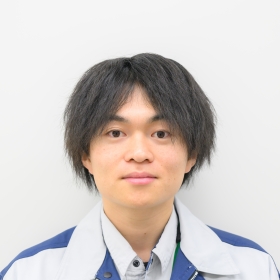
Joined the company in 2020. Assigned to the current Maintenance Section 2 at the Yuzawa Plant in 2023. Currently mainly responsible for minor repair work on bridges. Also works with Ms. Asazuma on accident response and snow removal.
Giant snowplows and rotary snowplows are deployed for 24-hour snow removal operations.
First, could you tell me about the operations of NEXCO Maintenance Niigata?
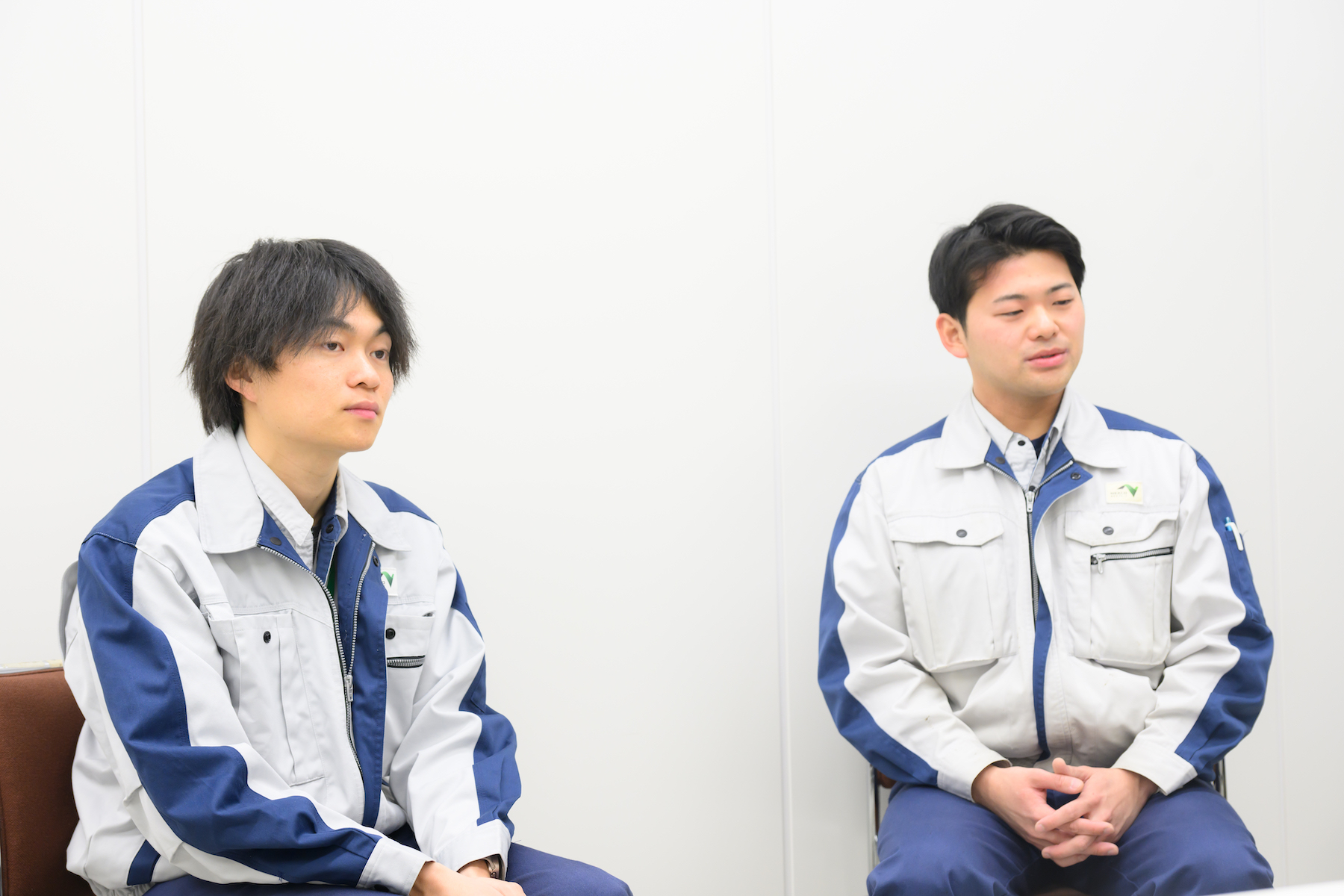
I'm in charge of repair work, mainly repairing bridges on Expressway. Since Expressway itself is over 50 years old, I carefully check for any areas that have deteriorated due to age.
There are also tasks that we perform seasonally every year. For example, in the summer, many people from within and outside the prefecture use Expressway to attend the Nagaoka Fireworks Festival, so we set up temporary toilets at service areas and direct traffic.
Autumn is the time to wrap up the year's work. We check the road surface to make sure it's not in poor condition and prepare the roads for winter. The busiest time is snow removal, which takes place from winter to spring.
Since this is a heavy snowfall area, your main job is snow removal, right? Could you explain the snow removal process?
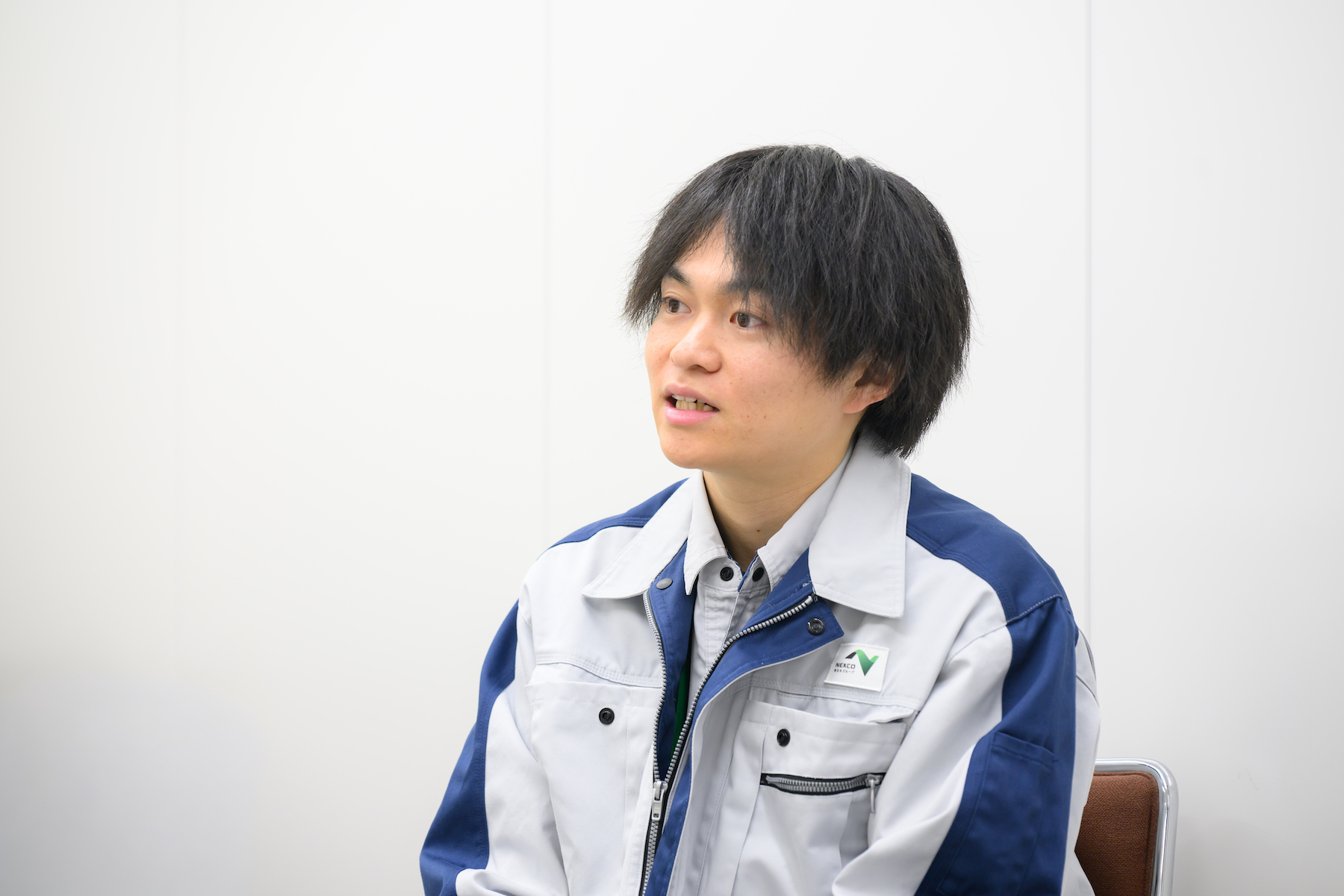
Our work supervisor receives snow removal instructions from the snow and ice team leader at NEXCO EAST, and then requests snow removal work at each base from our group companies.
The instructions are given twice a day, in the morning and evening, by the disaster prevention office at the headquarters, which determines what measures should be taken based on the current weather forecast. A web conference is held, including weather information providers, and the information is then explained to all management offices, including those in neighboring Nagaoka and Joetsu.
Our specific duties mainly involve making work requests to each base via telephone from the disaster prevention office, communicating work schedules and requesting additional work with each snow removal team via radio, and confirming whether speed restrictions are necessary when driving through tunnels.
In addition, there is desk work such as using a computer to record working hours, compiling monthly working hours for each base, calculating payment amounts, and submitting invoices.
Rather than actually clearing snow on-site, their role is more about giving instructions, isn't it?
Yes, our work mainly involves tasks at the control center. It's a 24-hour operation, so we take turns covering the area.
In cases of severe snowfall that could lead to disasters, we sometimes go directly to the site. In emergencies, the main road is closed, so we participate in concentrated snow removal efforts on-site. When there isn't enough manpower or snowplows at the site, we prepare our own vehicles and equipment to carry out the work.
What kinds of vehicles are used for snow removal?
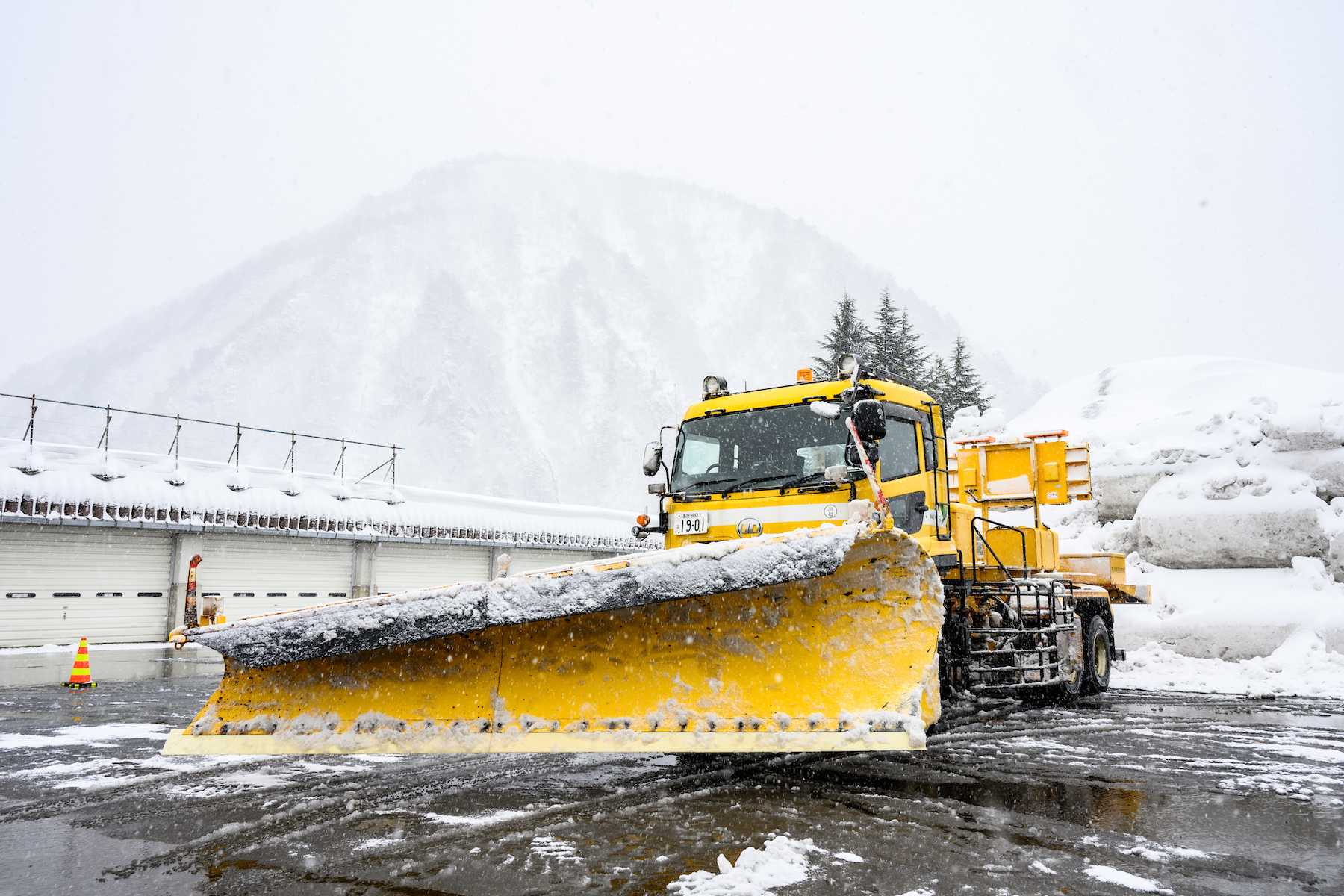
To balance the weight with the front of the vehicle, a counterweight is installed at the rear.
Snow removal is handled by "snow removal trucks," which are large trucks equipped with snow removal functions. They work in groups of about three at a time, clearing snow from the passing lane to the shoulder of the road.
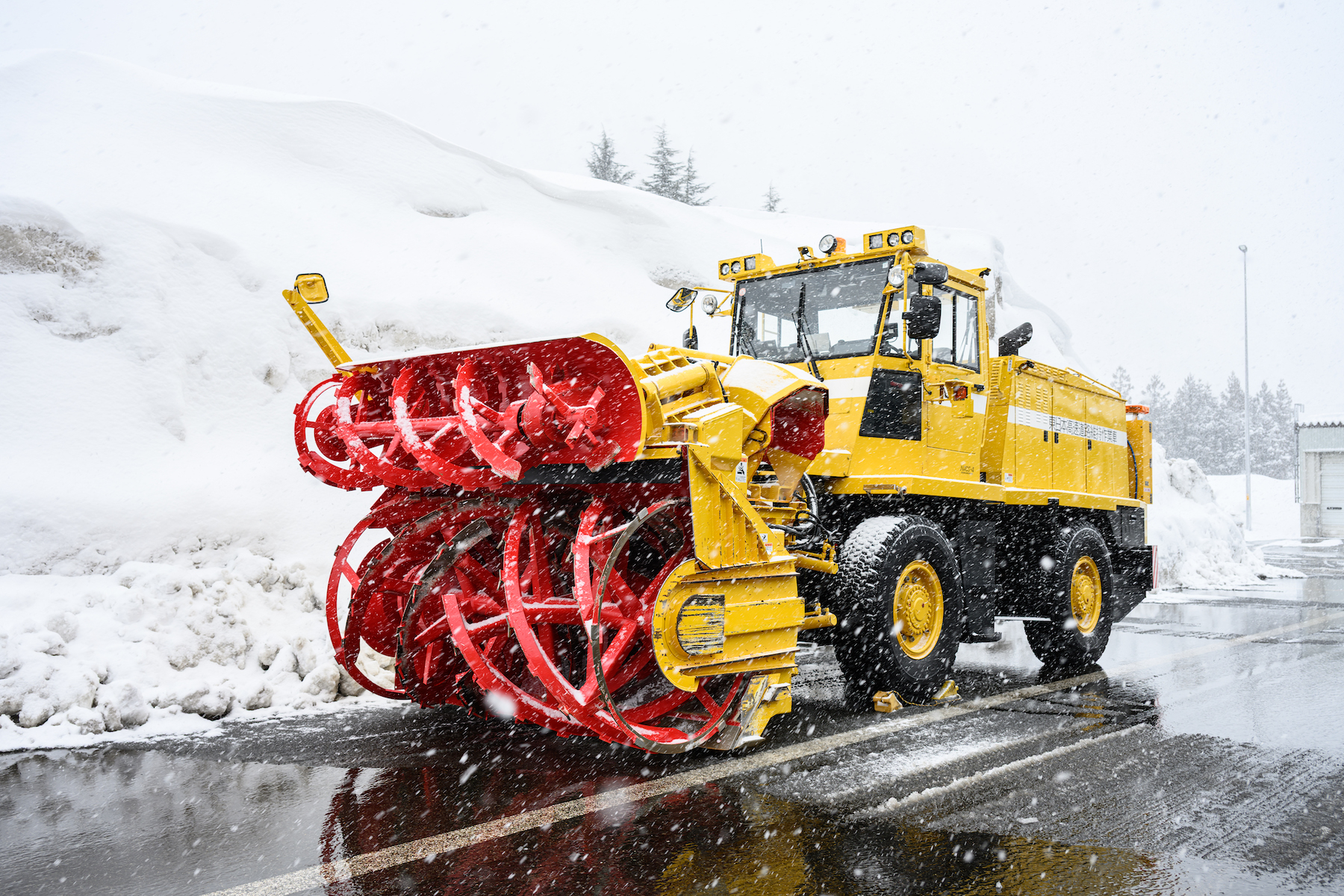
In addition, "rotary snowplows" that use a rotating device called an "auger" at the front of the vehicle to scoop up snow and throw it out through a snow removal chute, and "de-icing agent spreaders" equipped with a vehicle-mounted wet salt spreading device to prevent the main road from freezing, will also be in operation.
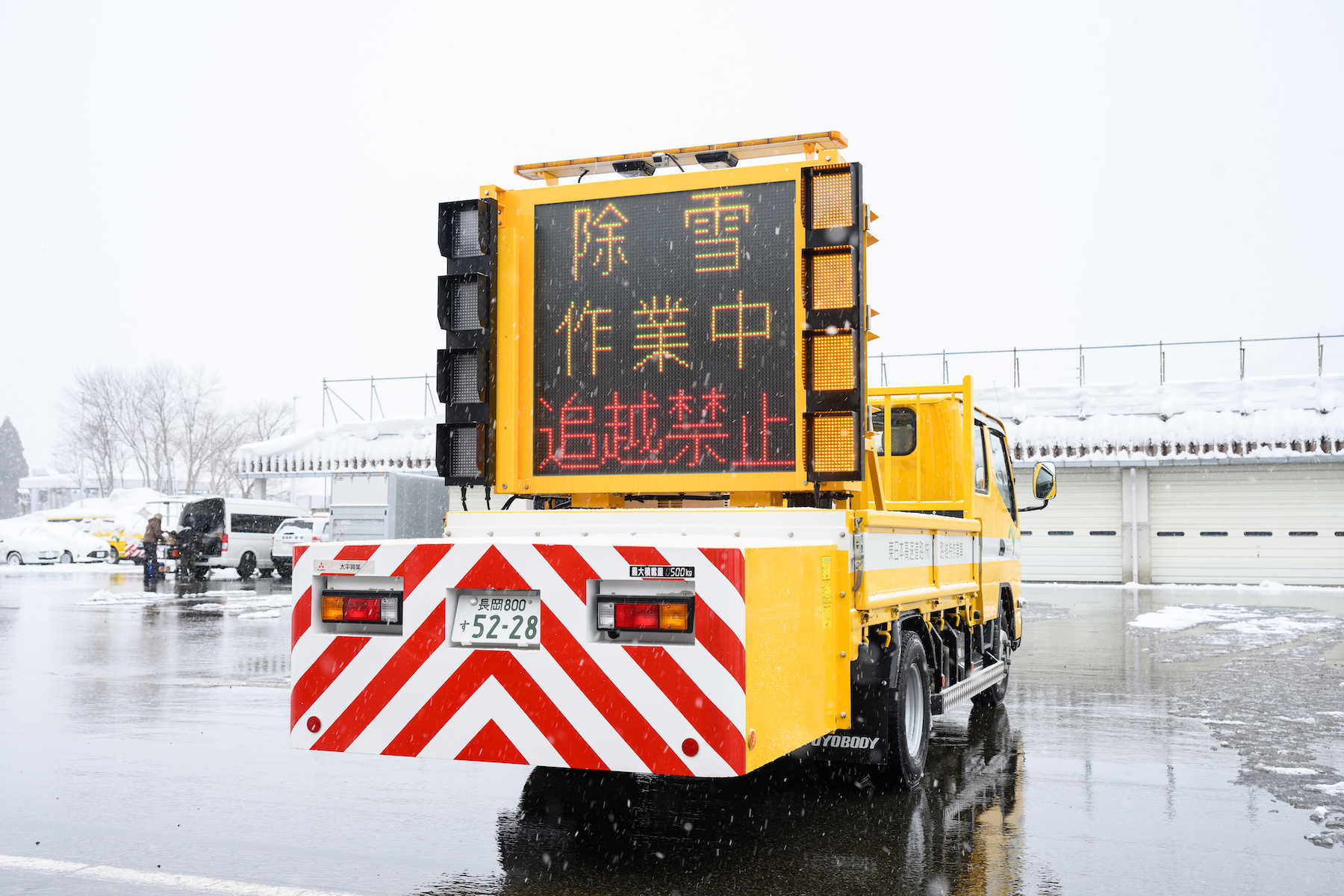
At the rear of the train is a "signal vehicle" equipped with a large electronic display board, which provides rear-end warning to other vehicles. The train may consist of only a snowplow truck and a signal vehicle, or it may consist of three types of vehicles: a snowplow truck, an de-icing agent spreader, and a signal vehicle, but a signal vehicle is always at the rear, and it is responsible for everyone's safety.
For hardened snow that cannot be moved even with the snowplow's blade, they use sleds attached to the side of the snowplow to remove it completely, employing various ingenious methods.
So, you're using a variety of vehicles. Are there any new technologies you plan to incorporate into your snow removal operations in the future?
We aim to utilize autonomous driving technology to enable snow removal trucks to be operated by a single driver. While it's not yet operational, it should be realized in the near future.
If snow removal operations can be automated, it will be possible to complete snow removal work that would normally require many people with just one person, which is expected to significantly reduce the workload per person.
In the civil engineering industry, like ours, the employment rate for young people is declining year after year. It takes a certain number of years to become proficient in driving snowplows, so we are starting to look into ways to promote one-person operation and automated driving as much as possible.
"Logistics is like the blood vessels of the body"—to keep the flow of traffic on Expressway from stopping.
Are there any moments in your daily work that you find rewarding?
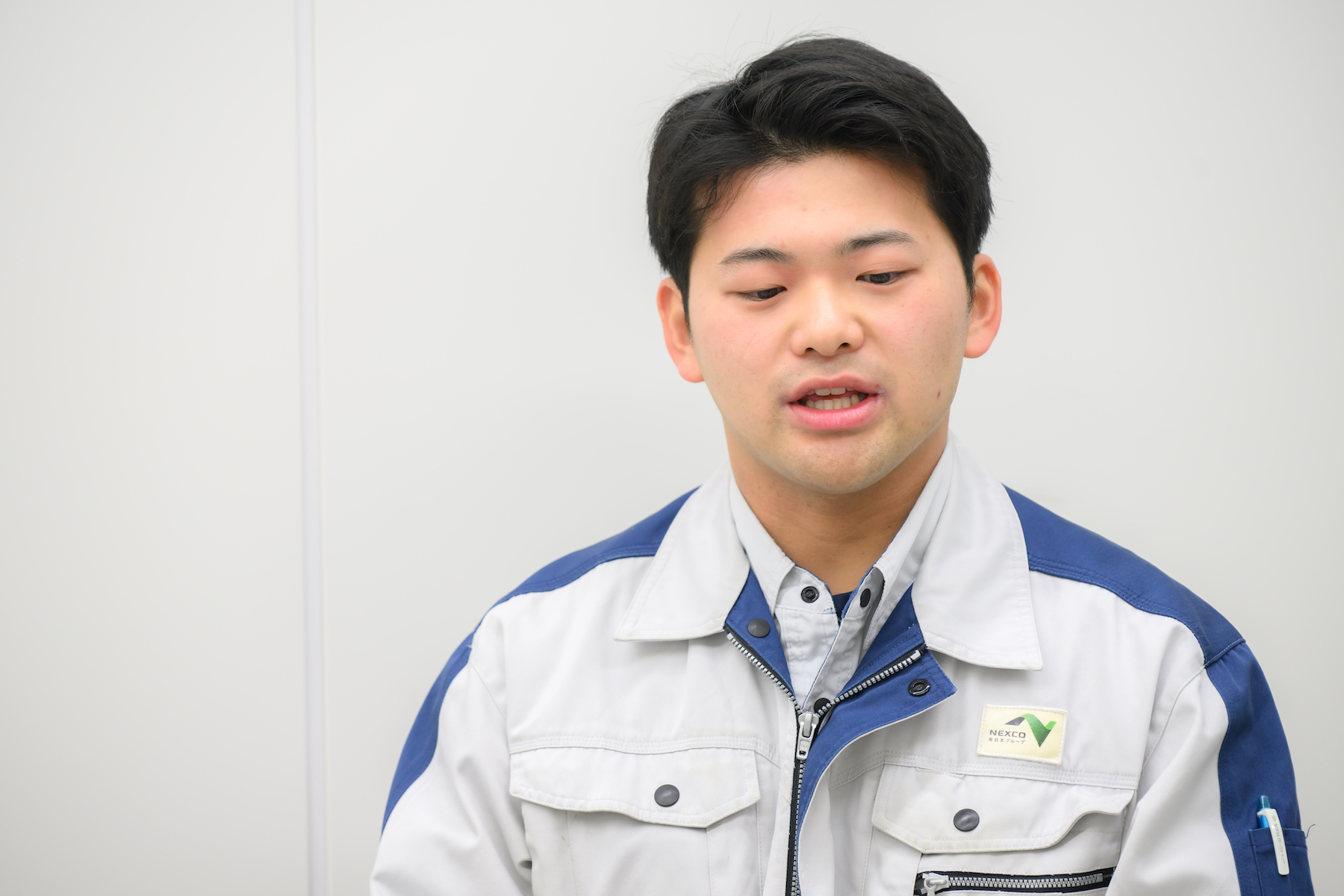
This job can sometimes involve facing tense situations, like the unusual snowfall in February 2025. When we've managed to close the main road, cleared all the obstructing snow, and confirmed that large trailers and regular vehicles can pass safely, we really feel like we're supporting logistics.
Logistics is sometimes described as being like the blood vessels in the body, and indeed, the narrower the lines become, the less logistics can pass through. So when we can restore things to normal, we feel a sense of accomplishment and satisfaction from having "protected" something.
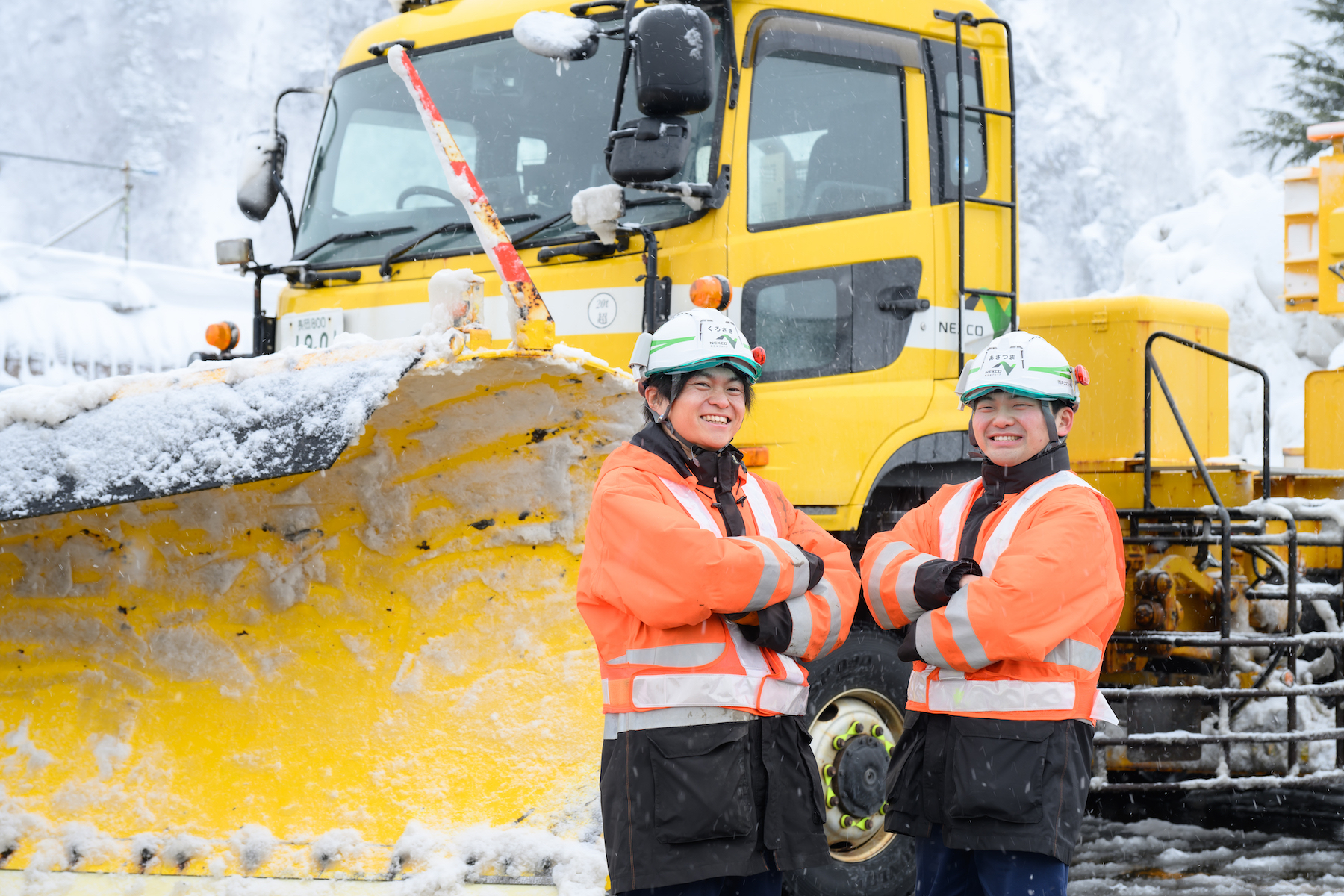
When I first joined the company as a new graduate, I was completely clueless, but as I've gotten older and gained more experience, I've been able to see things from a broader perspective. When problems on-site are solved by the instructions I give, and I see smiles on customers' faces or receive words of gratitude, I strongly feel that "I'm glad I'm doing this job."
summary
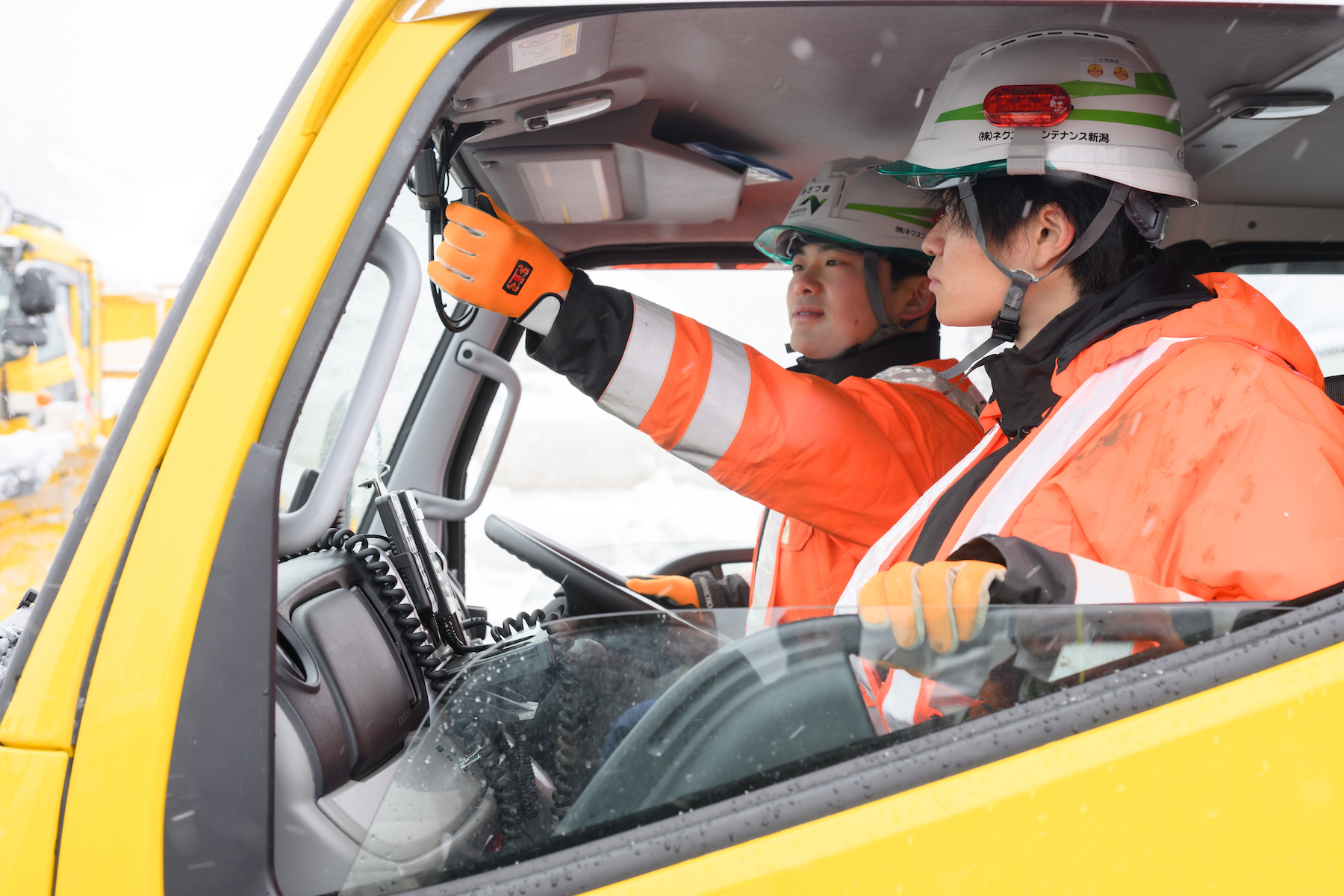
No matter how much snow falls, the goal is to create a road that can always be traversed. Workers give instructions via radio, and snowplow trucks continue their work through the night.
I realized that the accumulation of each individual task supports Expressway, and that everyday necessities such as daily goods and food are being delivered to all parts of the country every day.
To keep logistics running and to protect the lives of local communities, snow removal work to maintain Expressway continues quietly but steadily throughout the winter months without interruption.
We strive to maintain and manage Expressway in Niigata Prefecture 24 hours a day, 365 days a year, so that they can be used safely and comfortably. In the Maintenance Section 1, where I work, we are responsible for cleaning roads and drainage ditches, planting trees on the main expressways, and managing the plants and grass in rest areas.