
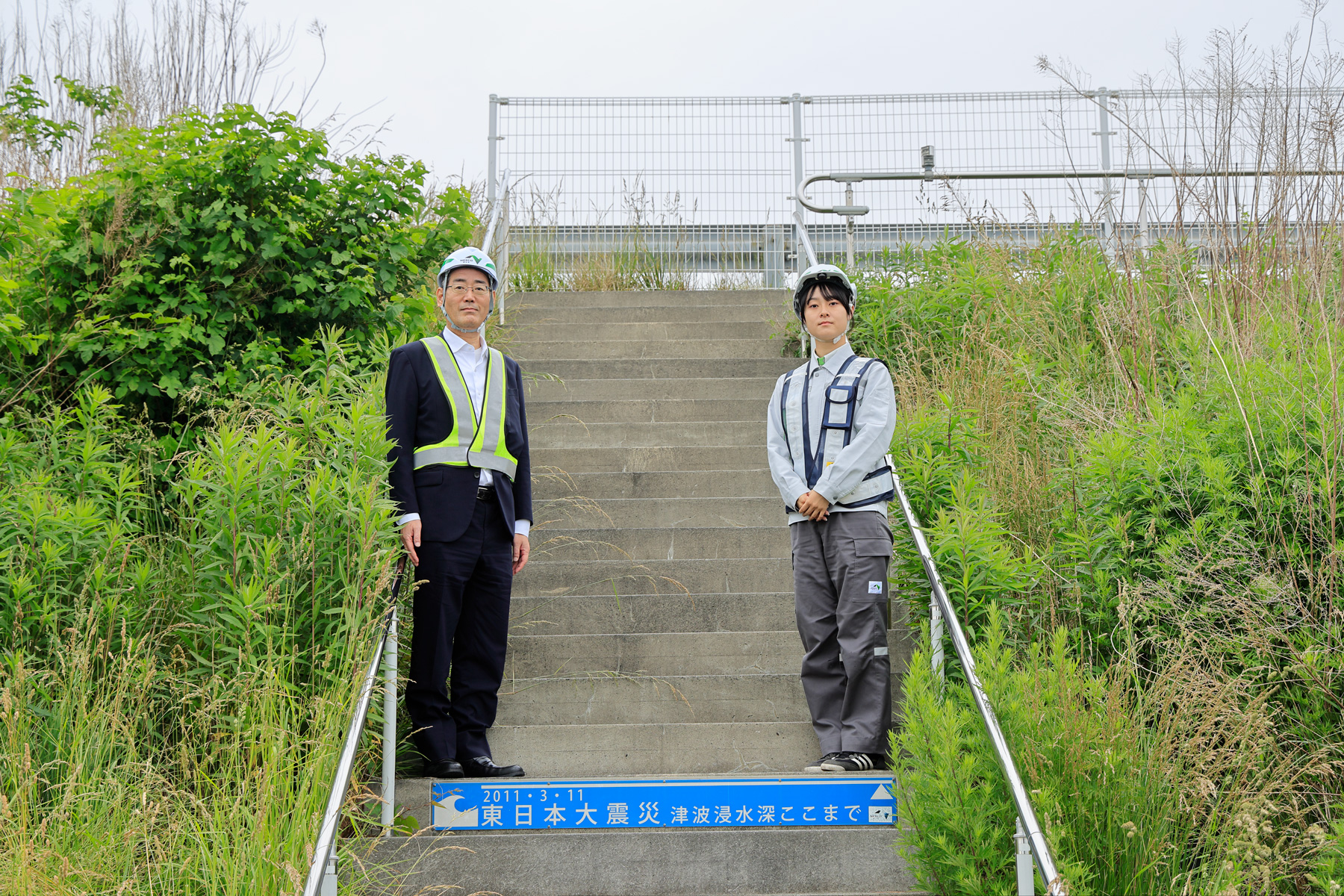
Saving lives during disasters.
NEXCO EAST 's tsunami evacuation staircase built in collaboration with local residents
The Great East Japan Earthquake occurred in 2011. Expressway operated by NEXCO EAST also suffered extensive damage.
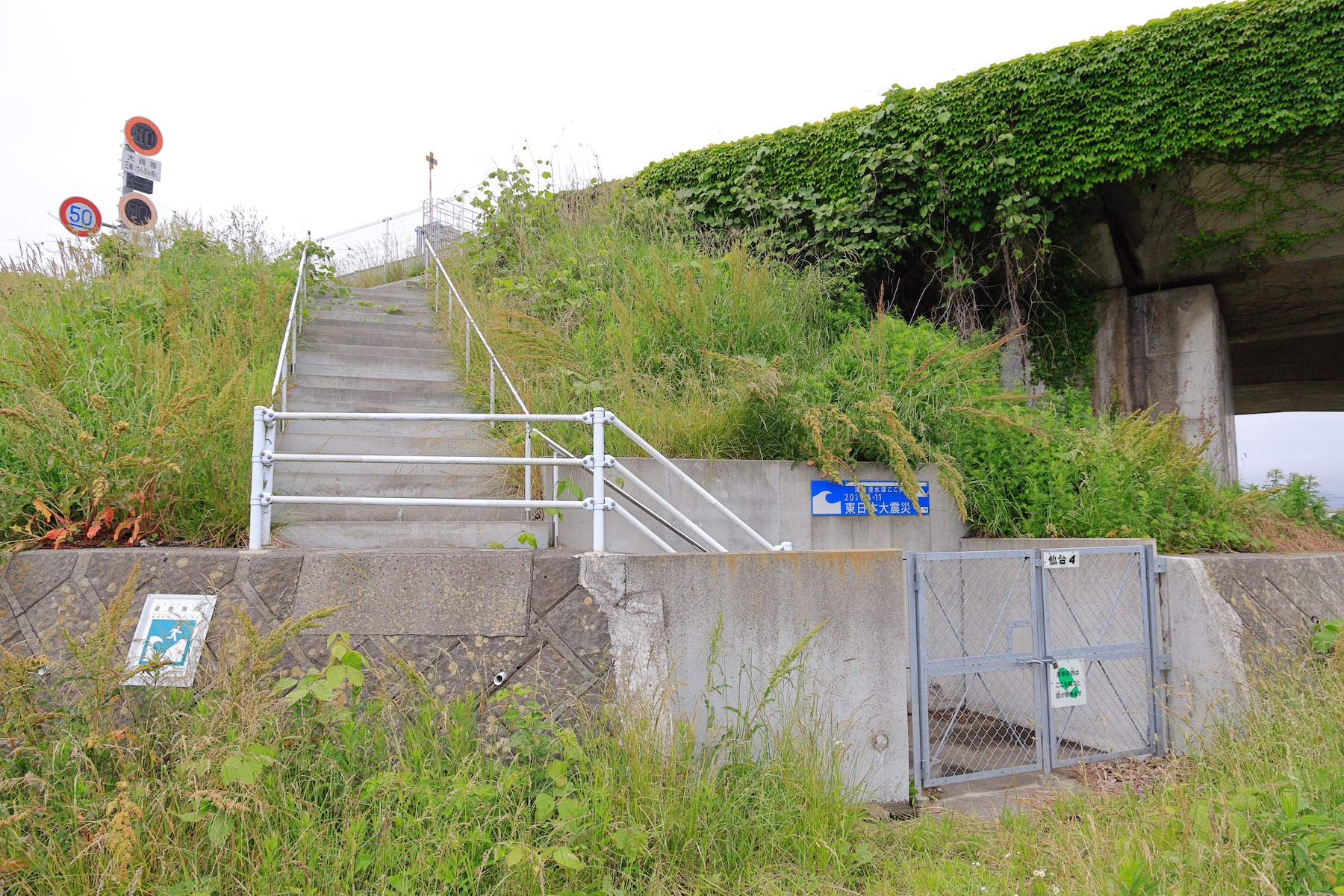
Expressway are primarily intended to safely and securely transport people and goods, but in times of emergency, they are required to serve as "places that protect lives." For this purpose, "tsunami evacuation staircases" were installed to serve as evacuation sites for local residents. Currently, 13 such staircases are installed in Sendai City and its surrounding areas. Following the earthquake, similar evacuation facilities, including tsunami evacuation towers, were also installed by other organizations.
How did the tsunami evacuation stairs come to be installed? This time, we spoke with Yasuhiro Kanda, team leader of the Real Estate Management Team in the Tohoku Regional Head Office Management Division, who witnessed the situation at the time of the earthquake, and Ririka Shirai, management staff member at the Sendai East Management Office, who, as the on-site manager, is carrying on Mr. Kanda's legacy and working with local residents on disaster prevention drills, about their efforts to ignite the power to connect hope.

He joined the Japan Highway Public Corporation in 1996. For many years, he was in charge of road management, traffic management, and land acquisition. At the time of the earthquake, as the manager of the management section at the Sendai Management Office, he worked with many members who were dedicated to reconstruction to install tsunami evacuation stairs.
In 2025, I joined East Nippon Expressway Co., Ltd. Currently, I am involved in road management, traffic management, and consultations with local governments, striving to maintain and improve Expressway.
Evacuate to Expressway on higher ground: What was the reasoning behind installing tsunami evacuation stairs?
Regarding the tsunami evacuation stairs, first, what role did they play? Mr. Kanda, who was very familiar with the situation at the time, please tell us.
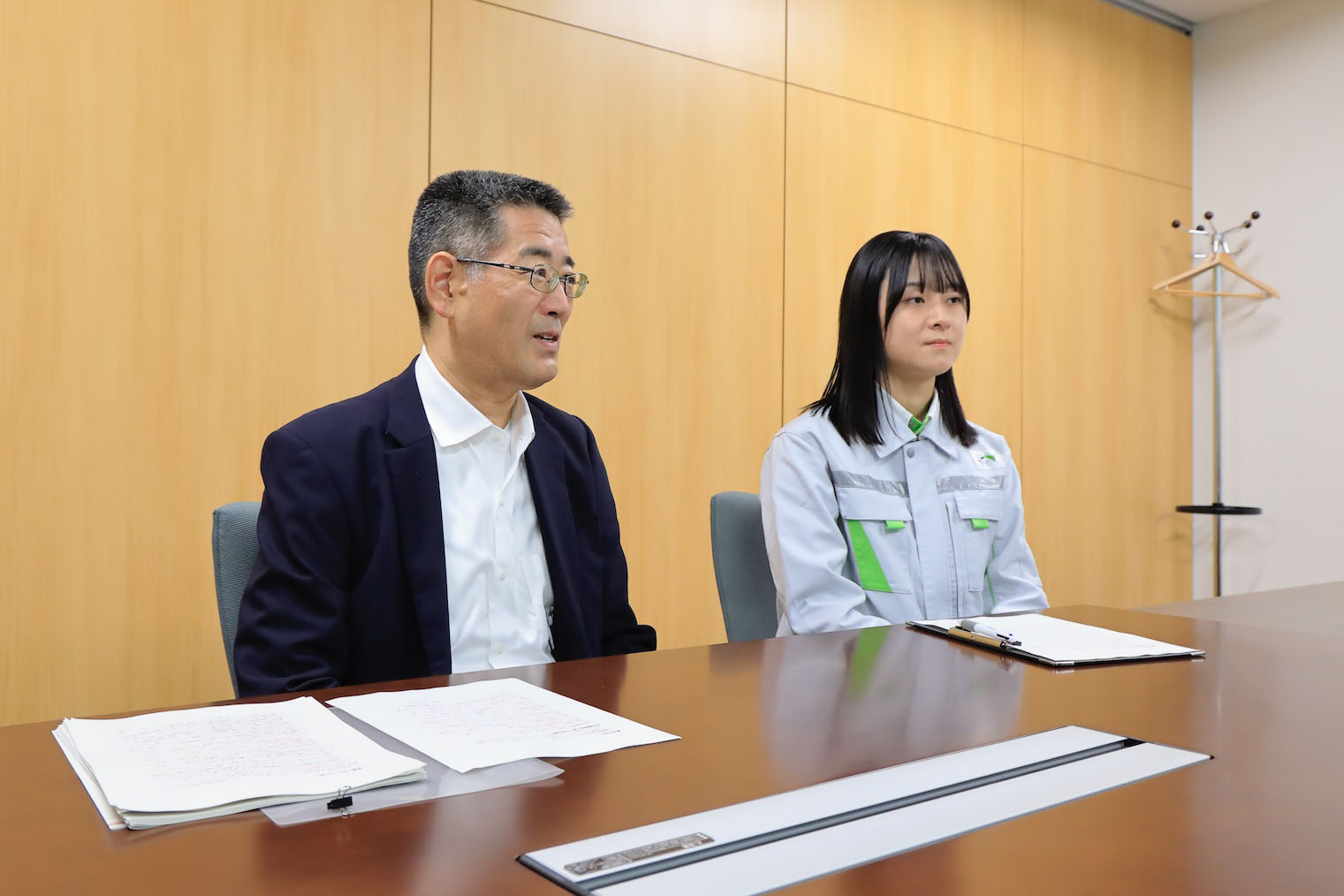
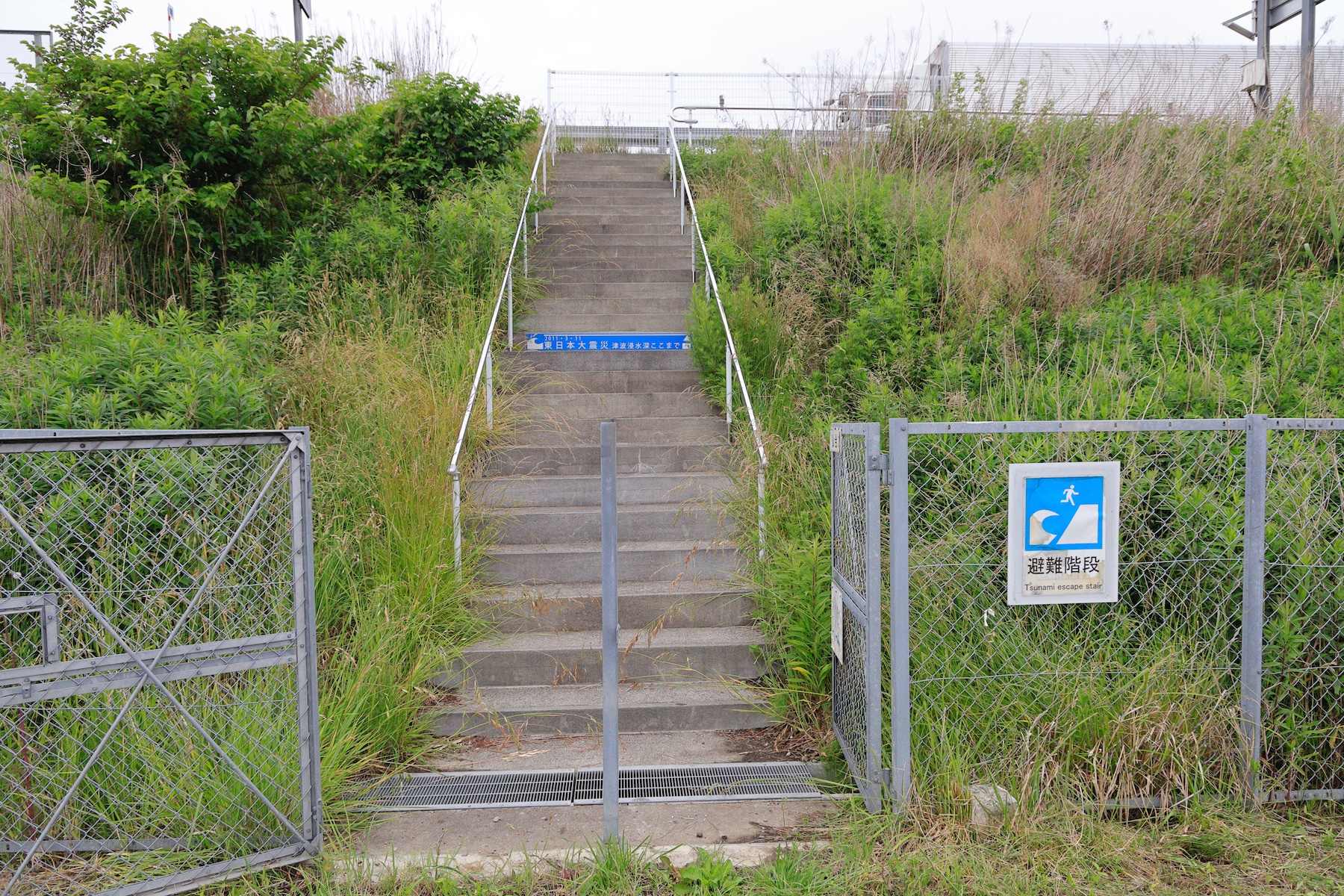
During the 2011 Great East Japan Earthquake, the tsunami reached as far as the area around Sendai-Tobu Road. I think this was partly due to the fact that the central and southern parts of Miyagi Prefecture are low-lying areas with few elevated areas.
A lot of cars and debris came flooding in with the tsunami, but the retaining wall of Expressway acted as a seawall, stopping the tsunami from reaching the city. At the time, it wasn't an official evacuation site, but I heard that nearly 200 local residents climbed the slope and took refuge on Expressway.
Does the fact that they climbed up the slope mean that there were no tsunami evacuation stairs at that time?
Yes, due to legal restrictions, we were unable to install stairs leading to the road. This is because Expressway are not places that are normally accessible on foot.
However, even before the earthquake, we had received requests from local residents saying, "In case of emergency, we would like to evacuate to Expressway," and we were considering what we could do as a company when the earthquake struck.
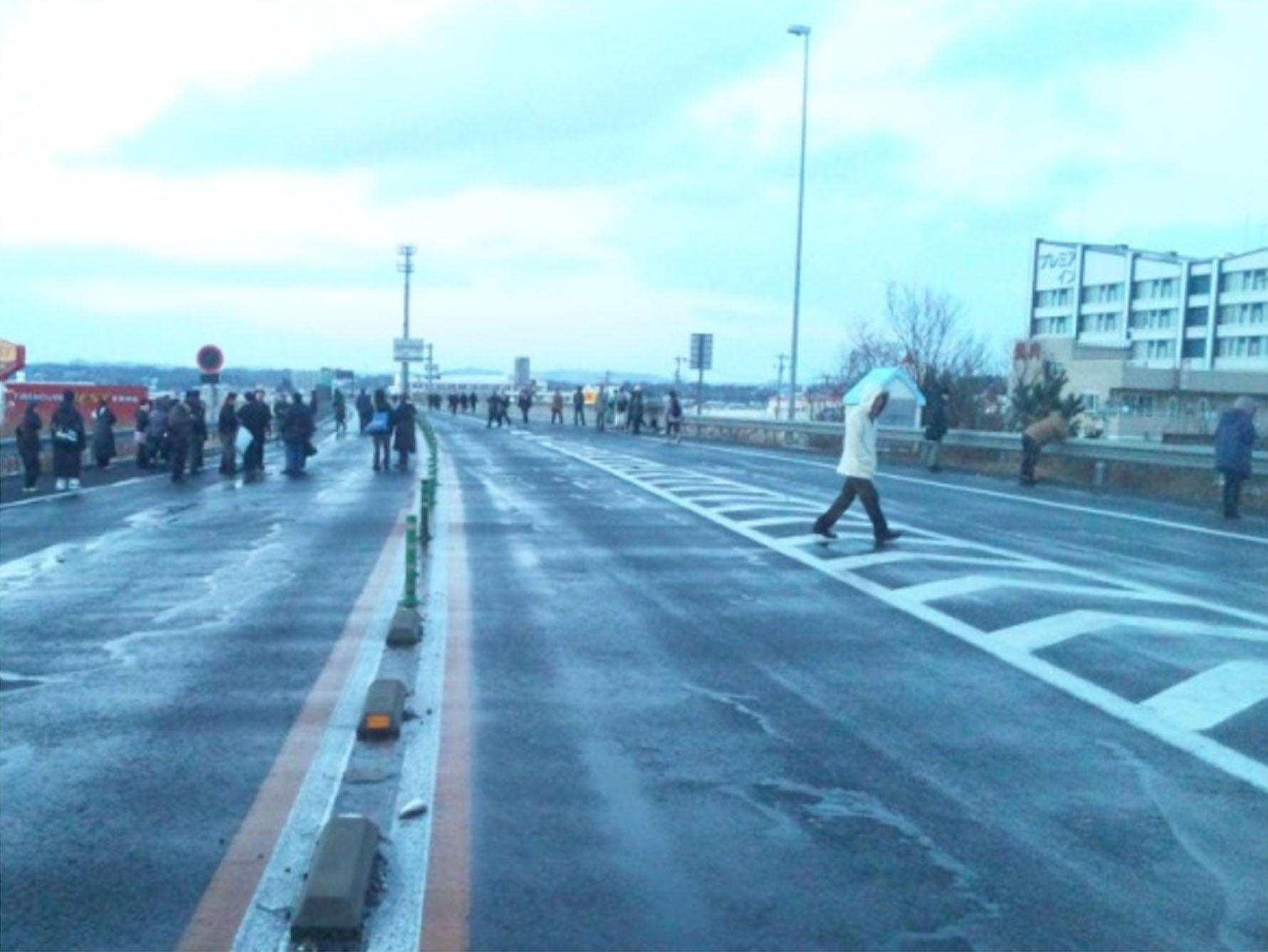
Since there were no elevated areas nearby, it was a truly dangerous situation and we couldn't refuse to evacuate.
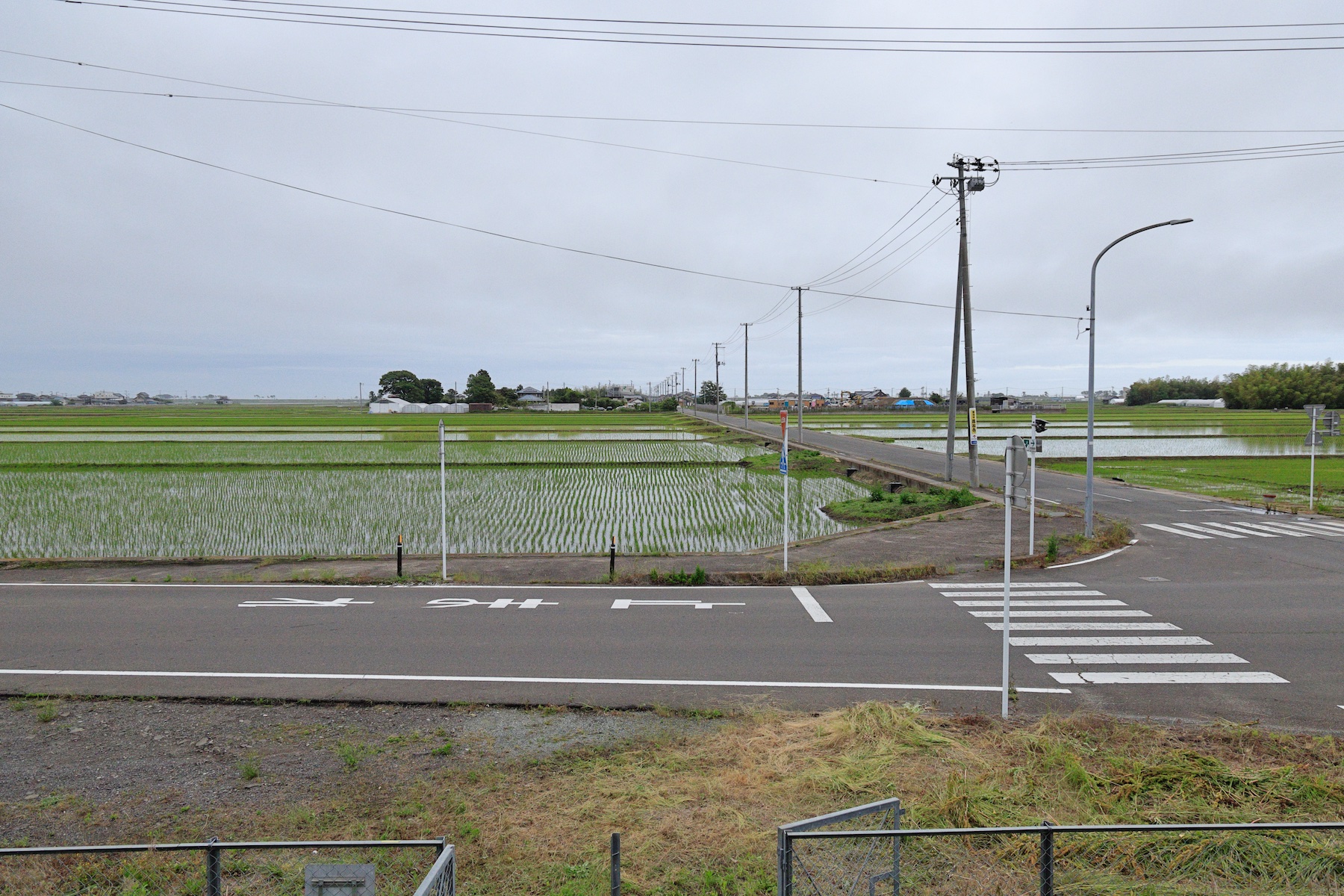
When were the tsunami evacuation stairs installed?
In September 2011, we installed the system in all 13 locations, including temporary ones. By March of the following year, all installations were completed, and we were able to establish our current system.
Initially, due to legal restrictions, they were installed under the designation of "stairs for Expressway inspection," but since 2013, tsunami evacuation facilities have been legally recognized as facilities that can be installed on Expressway.
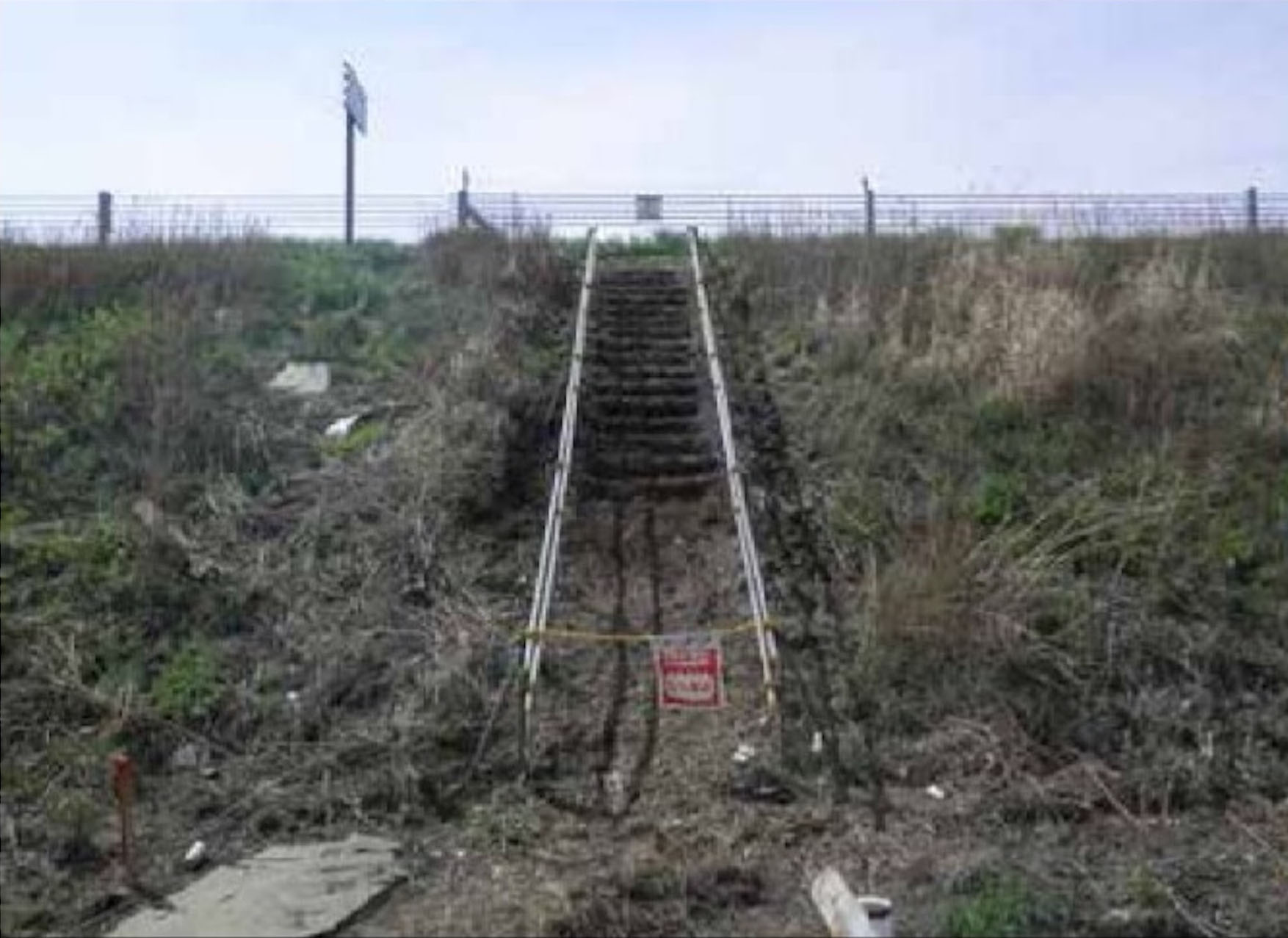
Despite the continuing aftershocks, you were able to respond very quickly. Could you tell us what you remember most about that time?
Anyway, when the earthquake struck, I was just overwhelmed with the feeling that "this is terrible." I remember not being able to settle down and work properly until around May.
Given the uncertainty of when another major earthquake or tsunami might strike, we felt it was crucial to establish a system that would allow for evacuation as quickly as possible, and we began working towards its installation. I believe that without the cooperation of my colleagues at the Sendai Management Office and the local residents, we wouldn't have been able to proceed so quickly.
Now, let's hear from Ms. Shirai. I understand you joined the company last year, but were you aware of the existence of the tsunami evacuation stairs before joining?
To be honest, I didn't know about it. I was in elementary school at the time and lived far from Tohoku, so although I have some memories of the Great East Japan Earthquake, I've mostly learned about the situation on the ground since joining the company. I'm also currently studying the damage caused by the tsunami during the earthquake.
Who are you learning about the events of the time of the earthquake from?
I learn not only from senior colleagues but also from local residents. During regular cleaning activities and disaster prevention drills with the community, they share detailed accounts of the real situation that aren't reported in the news, such as "The tsunami reached this far up the stairs" and "This is how much rubble there was at the time."
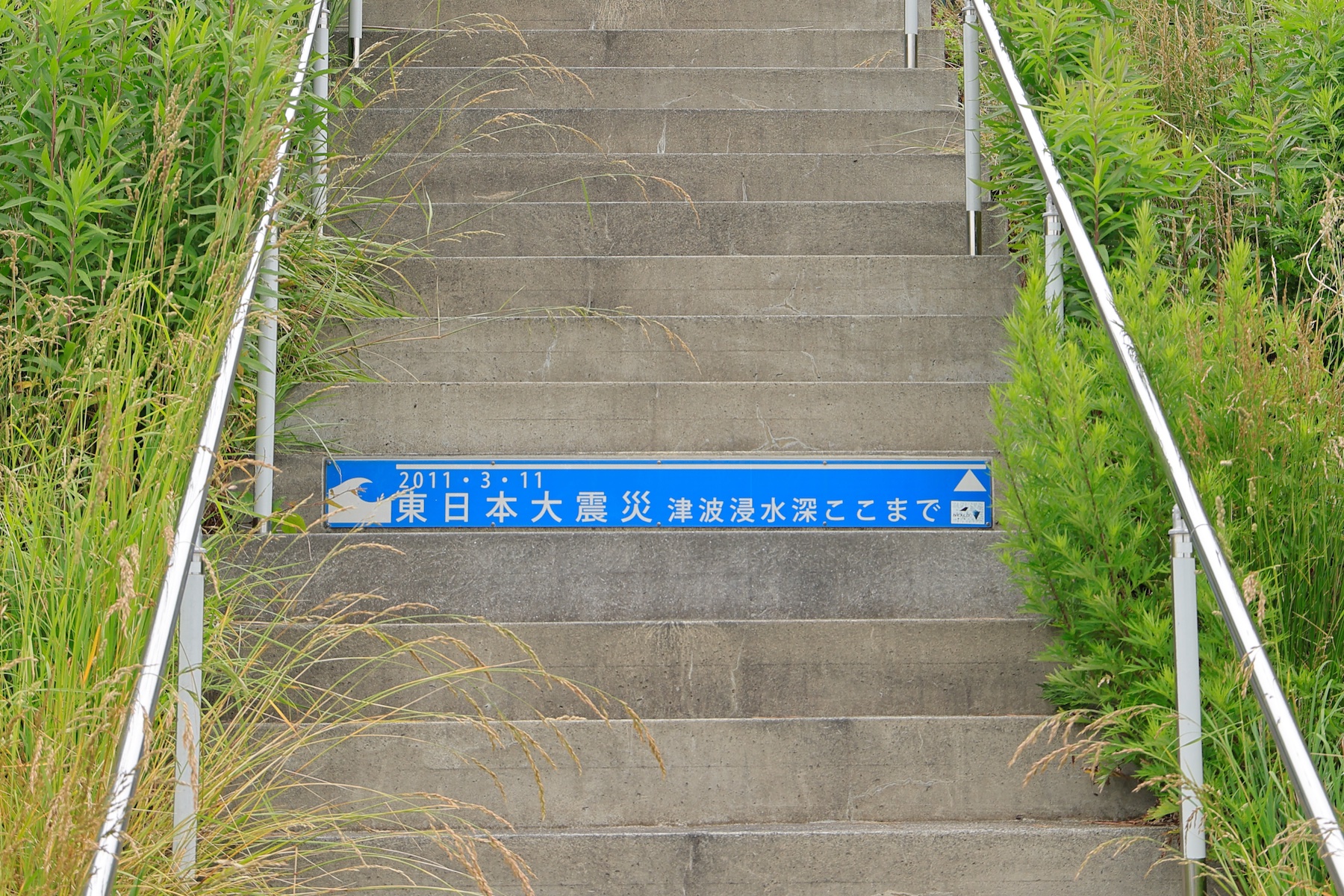
We've been involved in cleaning activities and other such things since before the earthquake. I've been away from the field for a long time, but it makes me happy to see that the activities I was involved in are still continuing. It was an activity I had hoped would continue forever.
We plan to continue our cleaning activities and disaster prevention drills. We want to carry on Mr. Kanda's legacy and pass it on to the next generation.
Listening to local voices to create a safe and livable environment.
Tsunami evacuation staircases are life-saving places in times of emergency, but they are not places you can easily access on a daily basis. How are they managed and how is safety ensured?
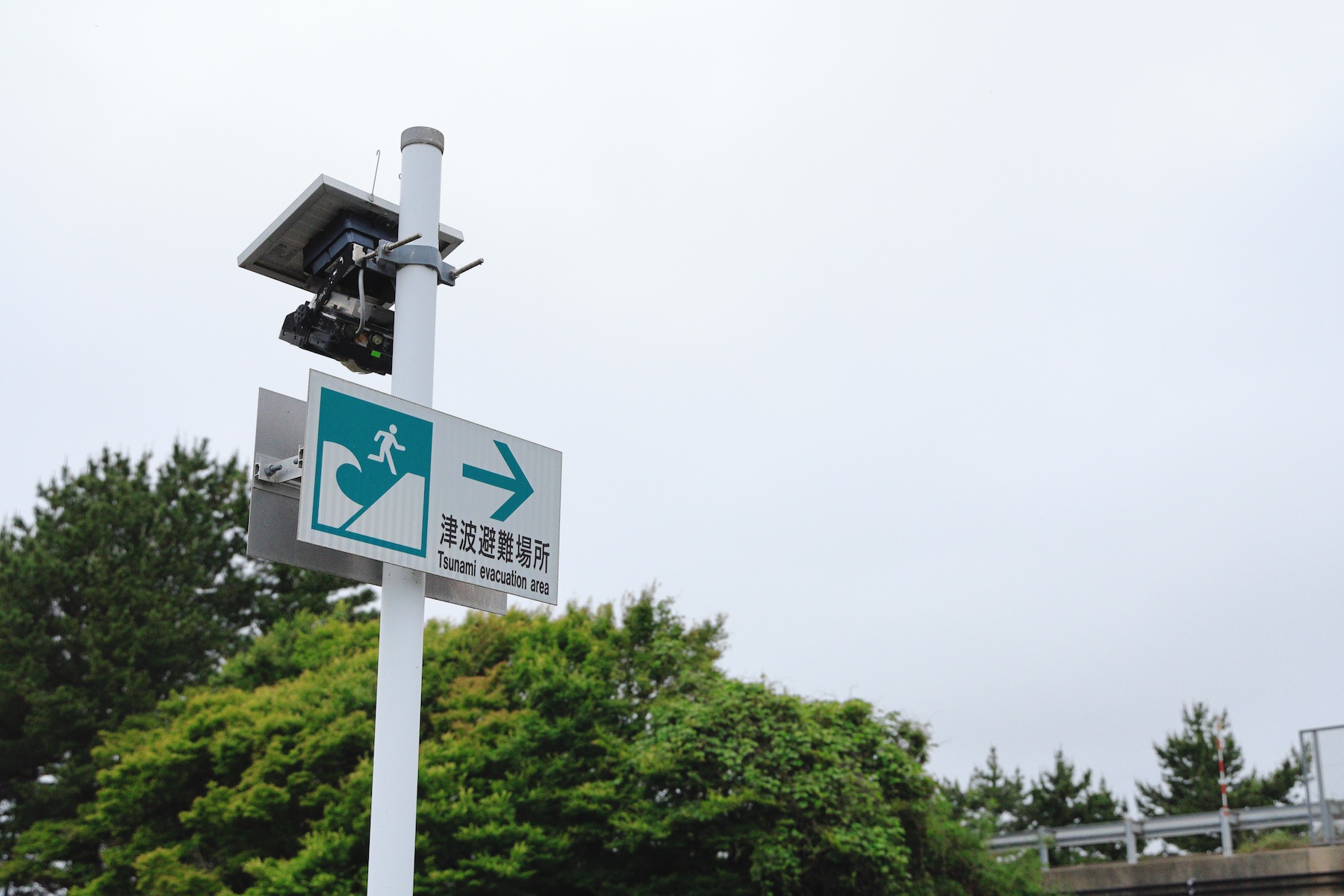
The fence preventing entry at the bottom of the stairs is normally locked, and the local government manages the keys, opening and closing the lock during daily inspections. Fences have also been installed in the evacuation space next to the main road to prevent people and animals from entering the road or coming into contact with passing vehicles during evacuations.
Furthermore, surveillance cameras around the stairwell are operational 24 hours a day, 365 days a year, allowing for a swift response in the event of an intrusion.
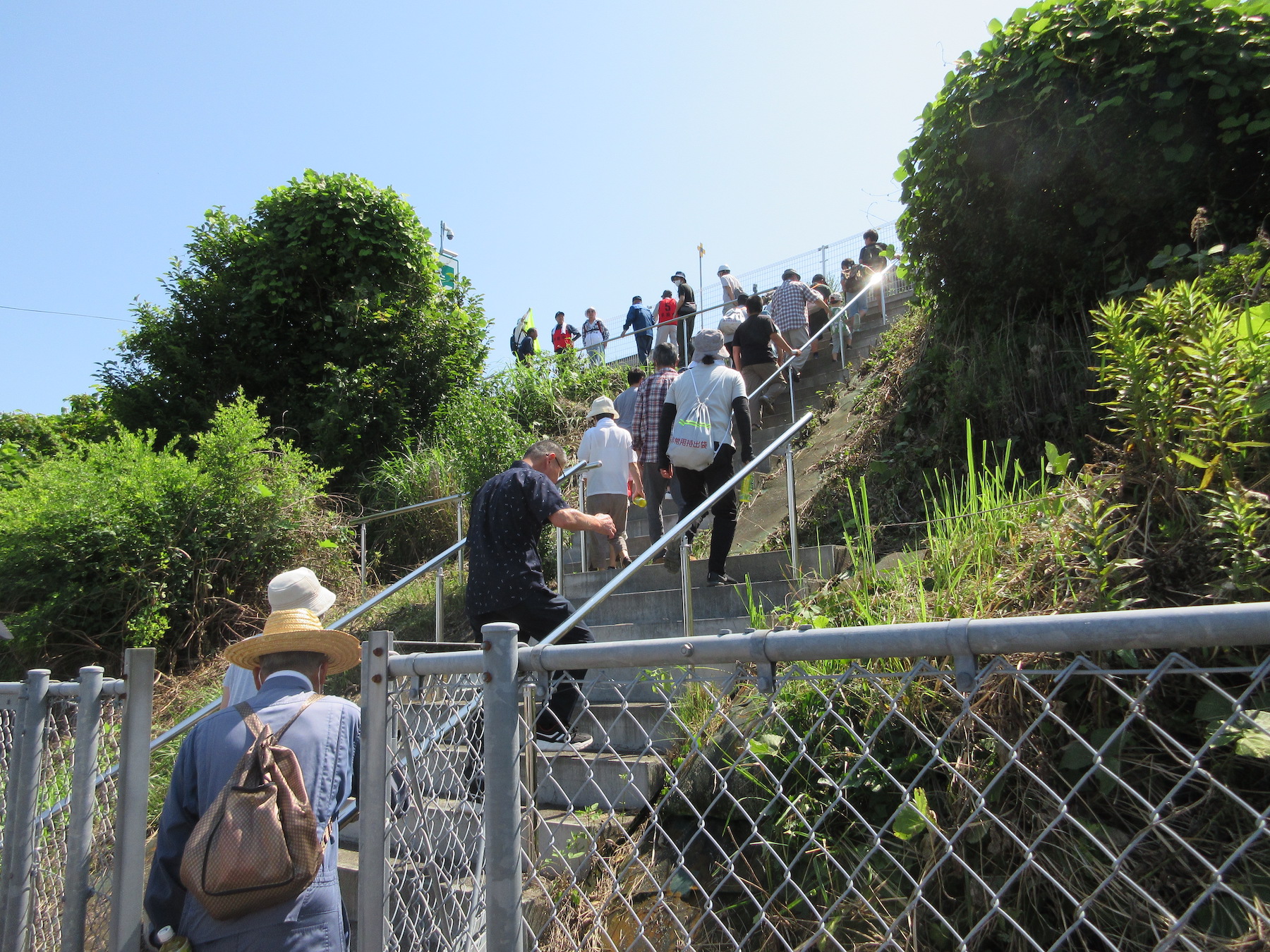
To ensure that residents acquire the correct knowledge regarding the use of tsunami evacuation staircases, we regularly conduct disaster prevention drills with local residents in cooperation with local governments. In particular, today's elementary and junior high school students are a generation that did not experience the Great East Japan Earthquake. We are also making an effort to explain to this new generation, through disaster prevention drills and other means, the reasons why tsunami evacuation staircases were installed.
Fifteen years have passed since the Great East Japan Earthquake, and the number of people who do not remember the disaster is increasing.
That's right. Of course, many of the children have heard stories about what happened at the time from their parents, and in every area they listen attentively to these stories and understand the extensive damage caused by the tsunami and the correct way to use the tsunami evacuation stairs.
I understand that you operate Expressway while maintaining strong ties with local residents. Mr. Kanda, having worked with local people for many years, do you have any advice for Mr. Shirai, who works in the on-site office?
Most importantly, it's crucial to meet and talk with the people who live in the area. I believe that it was because of the voices of local residents, even before the earthquake, saying, "In case of emergency, we want to evacuate to Expressway," that we were able to quickly proceed with the installation of tsunami evacuation stairs, even though it was after the earthquake.
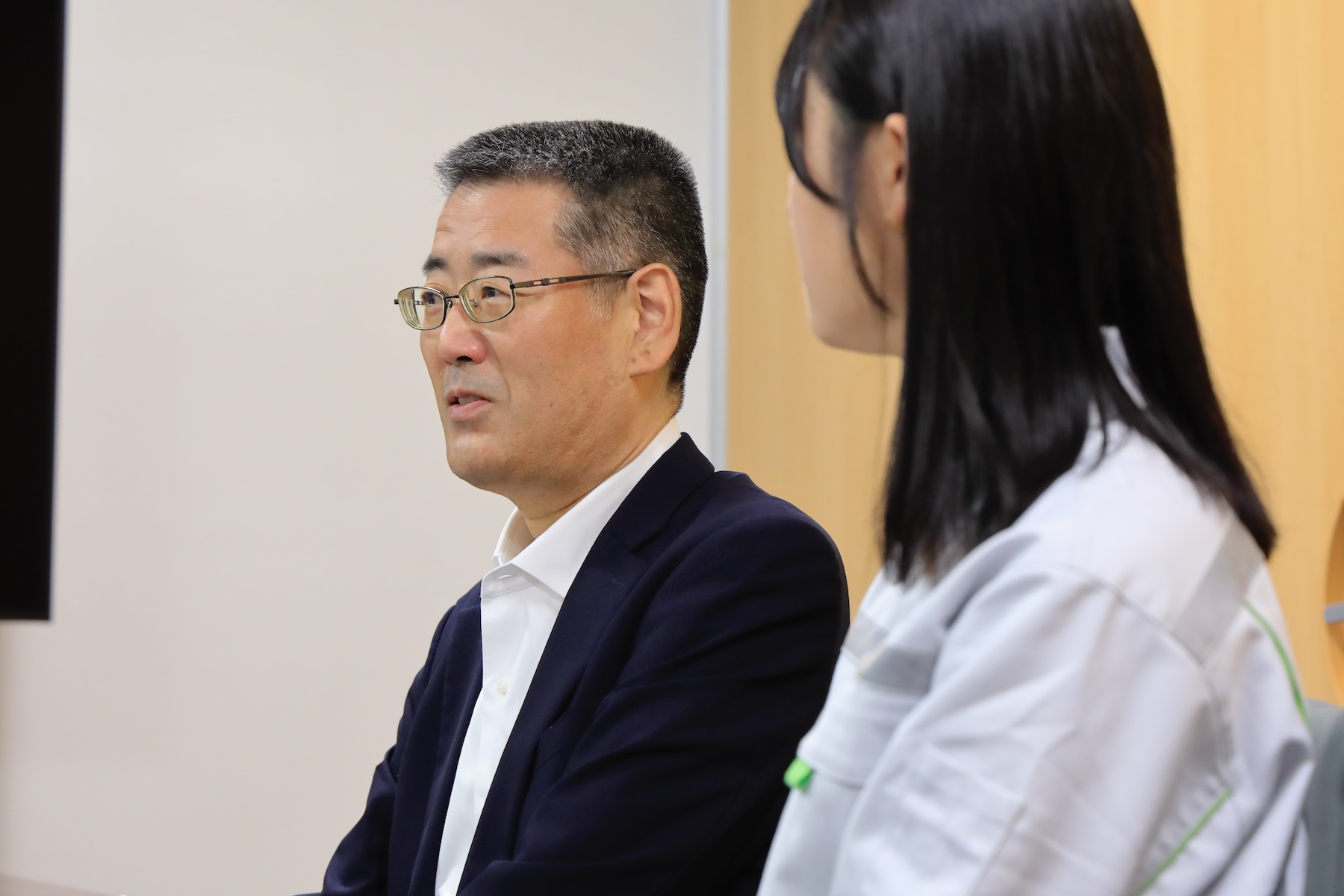
We believe that listening to even the smallest voices and carefully understanding the local situation will build trust with the community and lead to the safe and secure operation of Expressway.
Thank you. I believe it's important not only to manage the area but also to ensure the safety of the residents living along Expressway. How can we create a more livable environment? I would like to work closely with the local community on a regular basis to aim for a better environment.
Lastly, do you have a message for our readers?
Since I was originally involved in land acquisition, I often exchanged opinions with local residents. Once Expressway opens, opportunities to speak directly with residents tend to decrease compared to the construction phase, but I am very happy that there are still opportunities to interact with the local community through activities such as cleaning and disaster prevention drills.
We will continue to listen to the voices of the residents and use that to create an environment where people in the community can live comfortably.
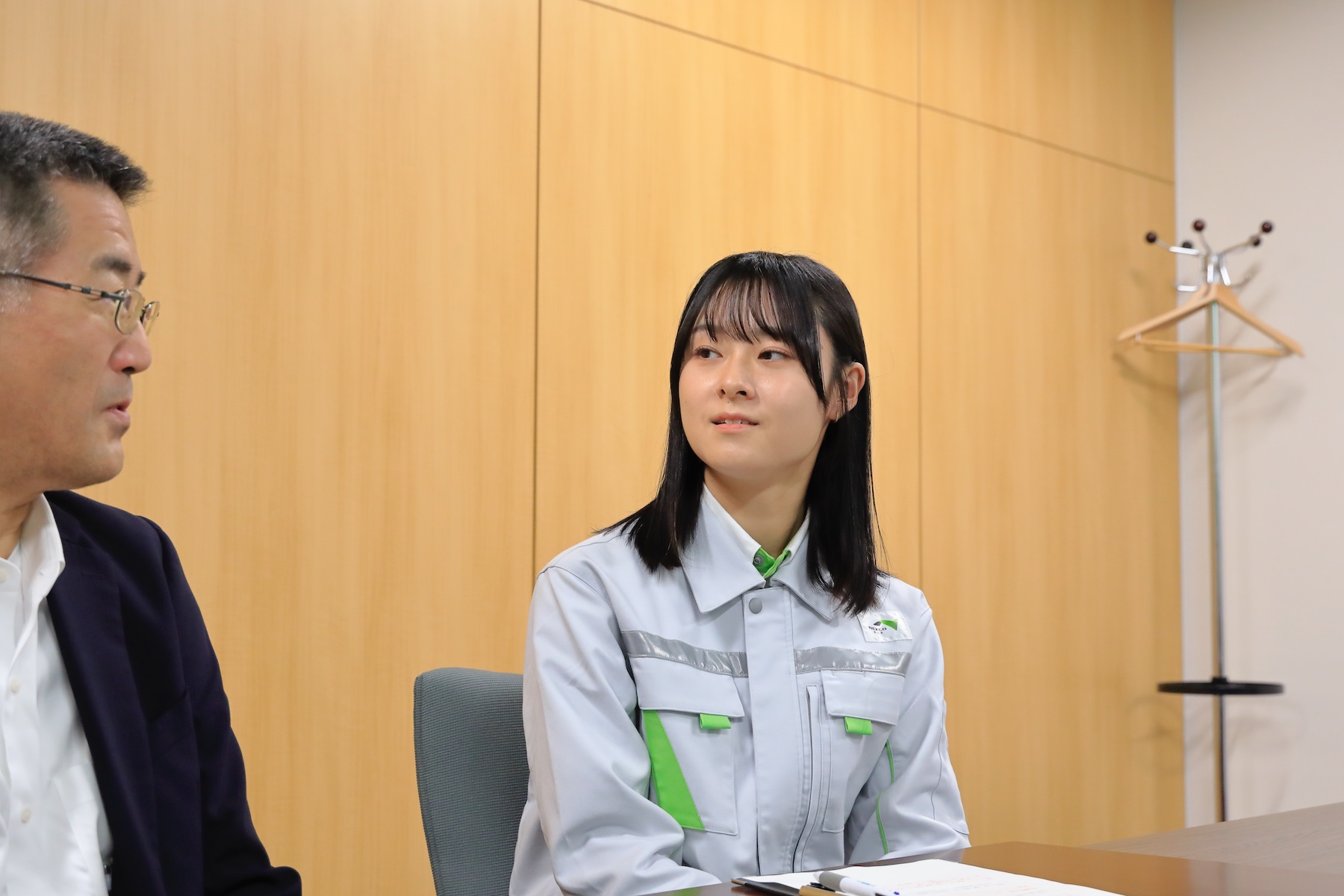
This may sound more like a declaration of intent than a message, but I want to spread our current activities at the grassroots level so that everyone living in this area will take disaster preparedness training seriously. I will not forget that I am in a position to pass on the valuable stories I have heard from local residents about the time of the earthquake, and I will work on my daily tasks with that in mind.
Regular interaction with the local community leads to swift evacuation and coordination.
NEXCO EAST is always prepared to respond appropriately to natural disasters, which can strike anytime, anywhere. In fact, the tsunami evacuation stairs were installed quickly because of the interaction we had with local residents even before the earthquake.
Mr. Kanda, who carefully responded to local needs and dedicated himself to the recovery from the Great East Japan Earthquake, and Mr. Shirai, who continues to deepen his relationships with local residents to protect their safety. NEXCO EAST will pass on these sentiments to the next generation and continue to protect safe and secure Expressway for generations to come.
A tsunami evacuation staircase is a staircase that allows people to evacuate to a higher location, such as Expressway, in the event of a tsunami in an area where there is no nearby elevated ground.