NEXCO EAST wants to connect you to the future.

page top

history of
e-nexco

History of NEXCO EAST

NEXCO EAST was established in 2005.
Including the era of the predecessor Japan Highway Public Corporation,
Its history goes back over 60 years.
For more than half a century, Japan's Expressway have been built here.
Unravel the history that has supported us.

History of Japan

History of Japan Highway Public Corporation

(1956-2004)

  • 1956

    Japan Highway Public Corporation established

    Around this time, when the Japanese economy overcame its post-war poverty and entered a period of growth, Japan's dependence on automobile transportation increased, and the delay in road maintenance became a problem. To solve this problem, the Japan Highway Public Corporation was established on April 16, 1956.

  • 1963

    Japan's first Expressway, the Meishin Expressway (between Amagasaki and Ritto) opened
    Traffic management team launched

    71km between Amagasaki and Ritto was completed as Japan's first Expressway The initial maximum speed was 100km / h and the minimum speed was 50km / h. In addition, a traffic management team was born at the time of opening, and patrols the area in charge 12 to 13 times a day.
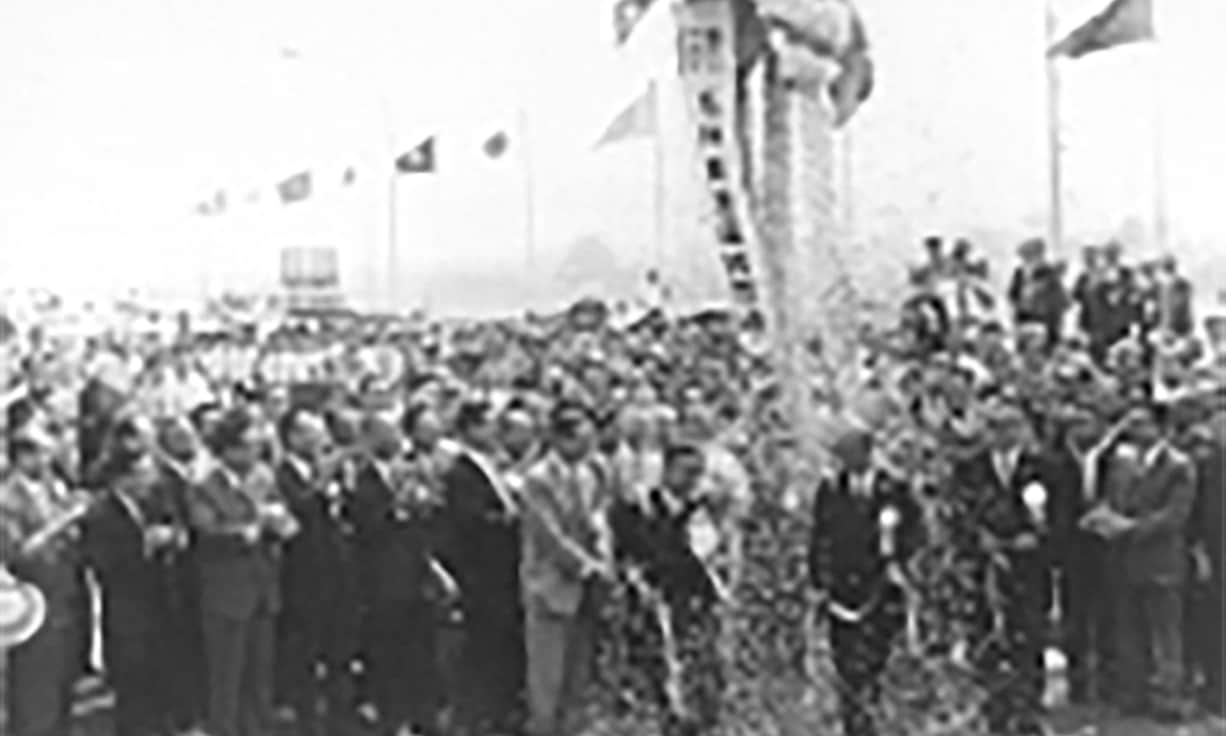
  • 1985

    Kanetsu Tunnel Out-bound Line opened

    The Kanetsu tunnel boasts a length of 11km. It was a big project with a total project cost of about 63 billion yen.
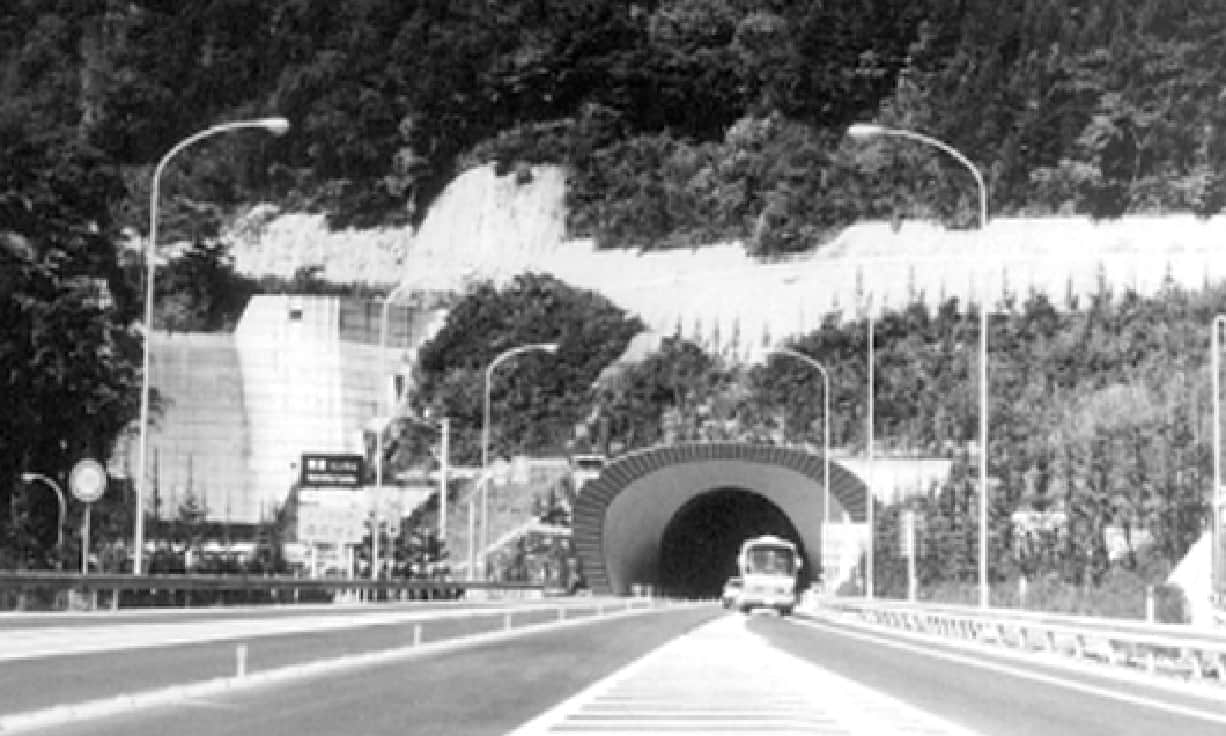
  • 1992

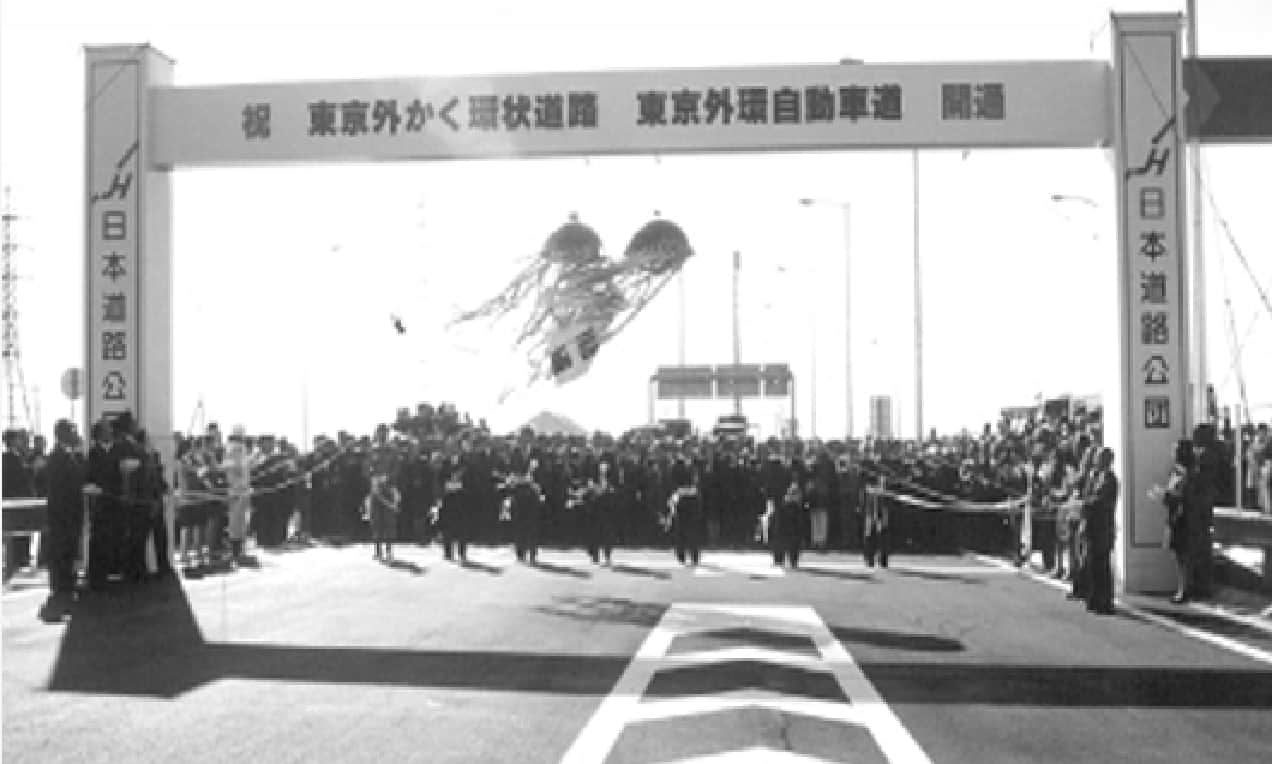
    Tokyo Outer Ring Road Bijogi-Misato opens

    The 21.1km section between Bijogi and Misato was opened, which was the first step toward alleviating traffic congestion in the metropolitan area and realizing a smooth transportation network between cities.
  • 1997

    Tokyo Wan Aqua-Line Expressway opens

    The Tokyo Tokyo Wan Aqua-Line Expressway is an Expressway that crosses Tokyo Bay from Kawasaki City in Kanagawa Prefecture to Kisarazu City in Chiba Prefecture.
    9.6 km on the Kawasaki side is an undersea tunnel called Aqua Tunnel, and 4.4 km on the Kisarazu side is a bridge called Aqua Bridge.

  • 2000

    Introduction of ETC

    As a result of investigating toll roads, the tollhouse had the most traffic jams. The ratio was about 30% of the total. ETC was introduced to alleviate and eliminate traffic congestion at tollhouses. We have achieved smooth passage through the tollhouse.
  • 2004

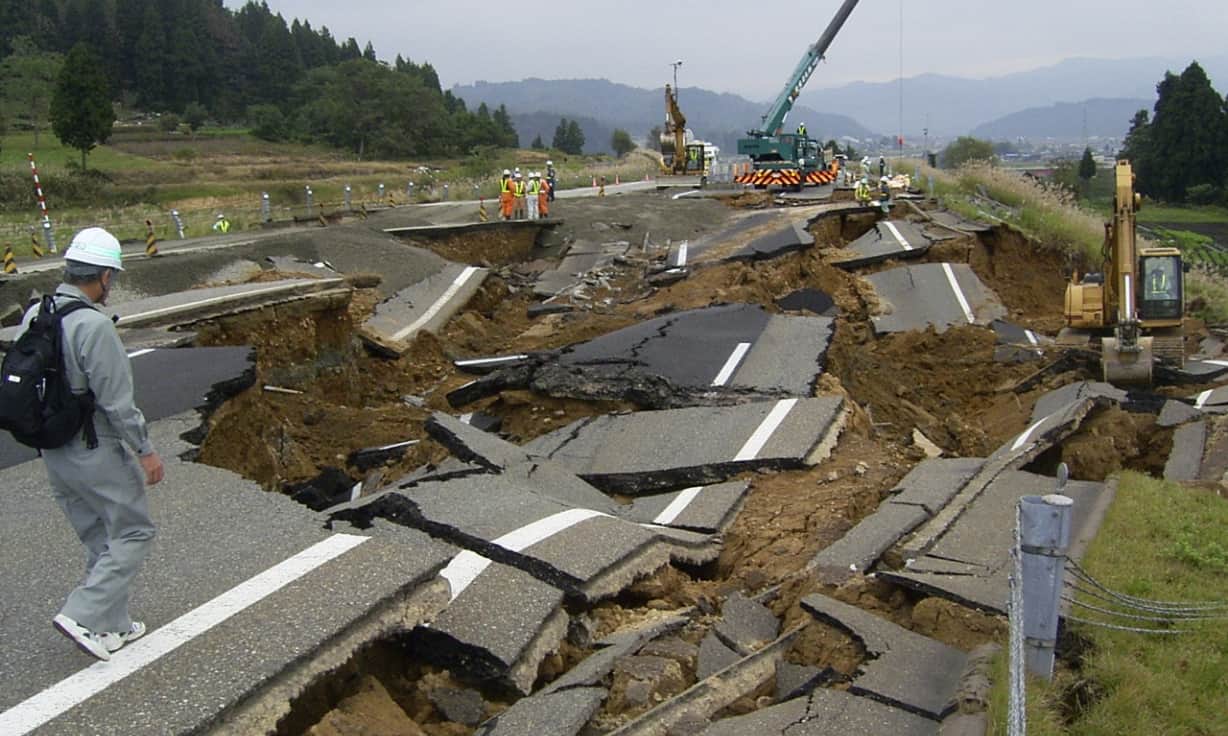
    Niigata Prefecture Chuetsu Earthquake

    Kan-Etsu Expressway including the collapse of the entire lane between Muikamachi IC and Sanjo-Tsubame IC. Emergency inspection started immediately after the earthquake. About 19 hours after the disaster, we secured an "emergency road" and opened it to the public about 13 days later.
History of NEXCO EAST

(2005~)

  • 2005

    East Nippon Expressway Co., Ltd., Ltd. established

    The Japan Highway Public Corporation was split and privatized, and East Nippon Expressway Co., Ltd., Central Nippon Expressway Company, and West Japan Expressway Company were born under the Expressway Company Law. We have been reborn as a company that constructs, manages, and operates Expressway and motorways in the eastern Japan region.

  • 2007

    First new employee after privatization

    61 people have joined as NEXCO EAST "first generation".

  • 2008

    "Pasar" on Keiyo Road Makuhari PA
    Makuhari

    From "facility to use because there is" to "facility that you want to use willingly". The first step in the challenge of NEXCO EAST

  • 2009

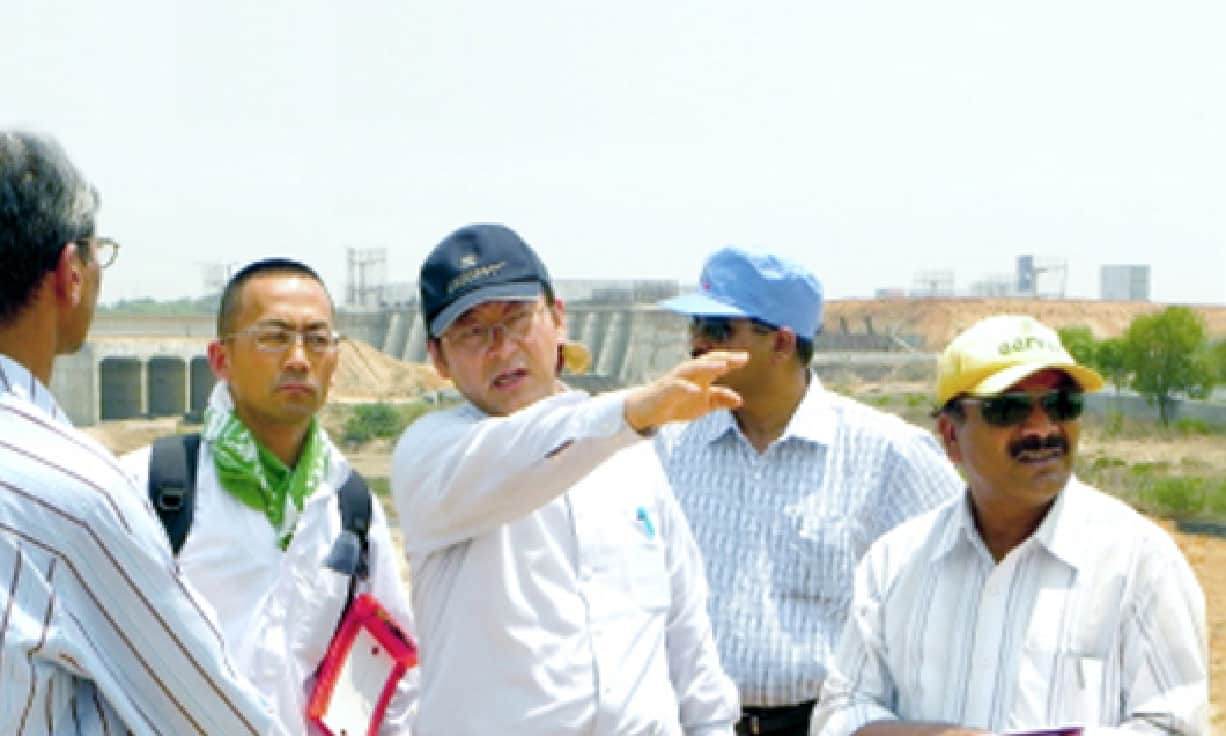
    India office opened

    In order to widely provide our technology in India, we have set up the first overseas office in New Delhi, which will be the basis for promoting overseas business.

  • 2011

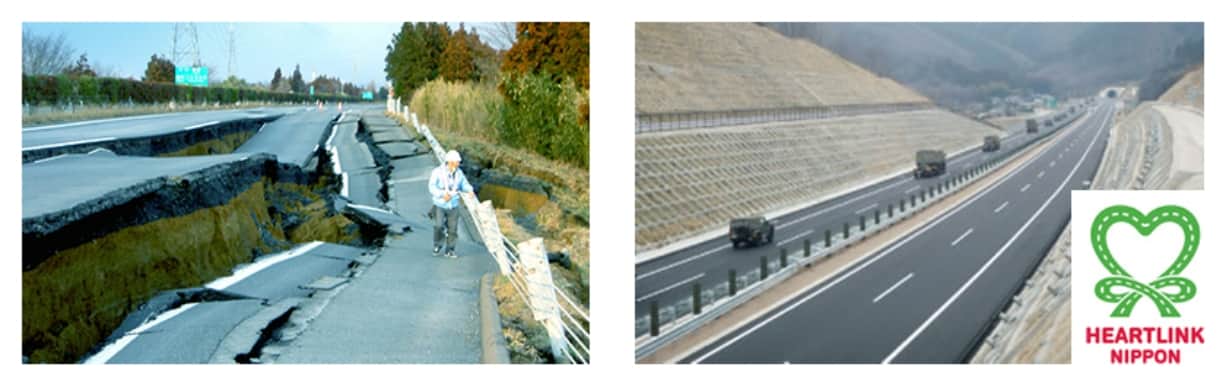
    Great East Japan Earthquake

    The section damaged by the earthquake is 20 routes, about 870km. NEXCO EAST has been working on emergency restoration work day and night, and about 20 hours after the earthquake, completed temporary restoration that allows emergency vehicles to pass through. Thirteen days after the earthquake, general vehicles were able to pass on almost all lines.
    At the same time, NEXCO East Japan sells souvenirs from the disaster area and menus using ingredients from the disaster area, mainly through SA / PA, under the slogan of "HEARTLINK NIPPON-Tsunago, Kokoro. Hirogeyo, Encounter-". We are implementing initiatives for the reconstruction of the disaster area, such as providing information and volunteer information.

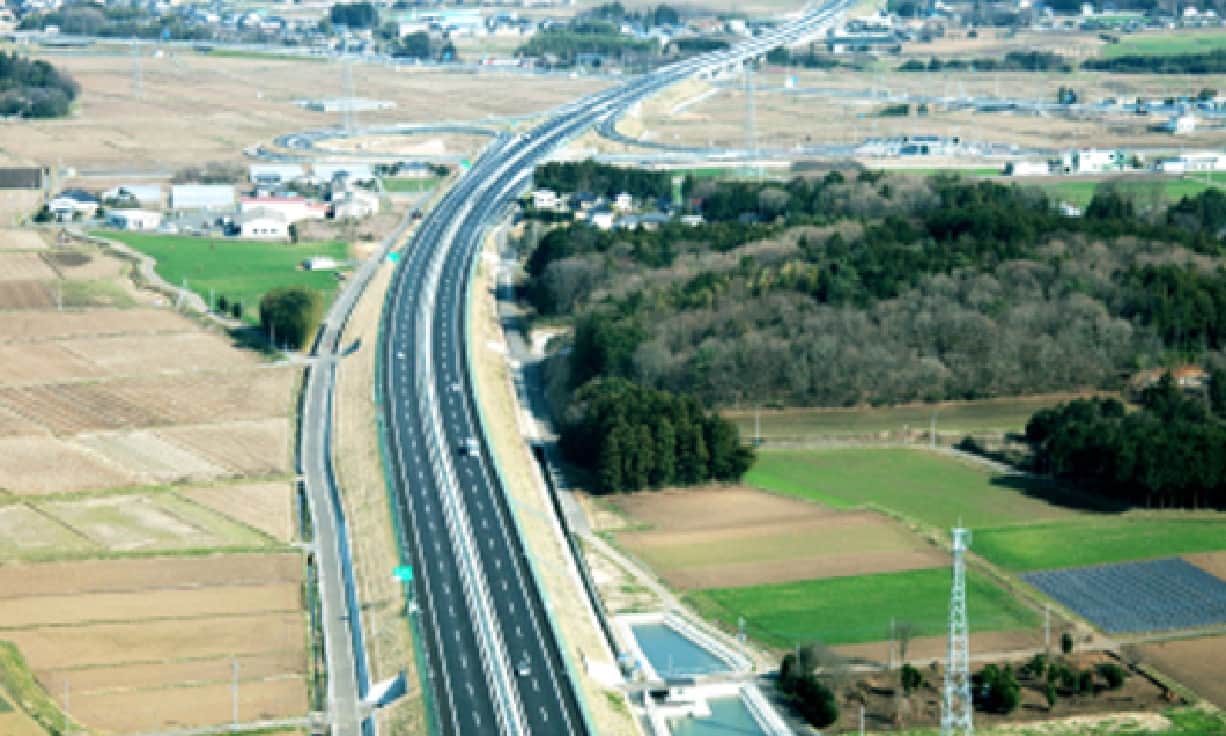
    Kita-Kanto Expressway

    The Kita-Kita-Kanto Expressway has the potential to become the main artery of industry, facilitating smooth exchanges between the three northern Kanto prefectures. It is expected to revitalize the northern Kanto region.

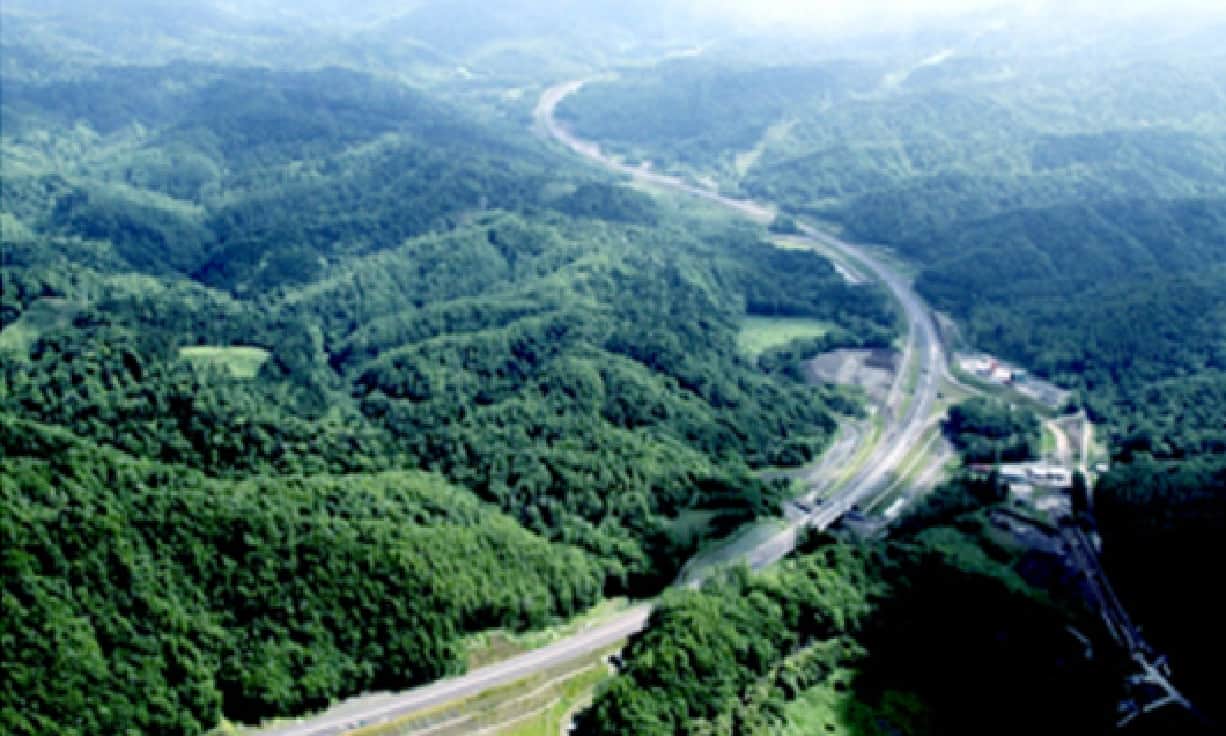
    Doto Expressway between Yubari IC and Shimukappu IC opened

    With this opening, the Central Hokkaido area and the Eastern Hokkaido area were connected by an Expressway It is expected that safer, more secure and more comfortable access will be secured, the efficiency of logistics will be Large tourism will be expanded, and cooperation between regions will be strengthened.

  • 2013

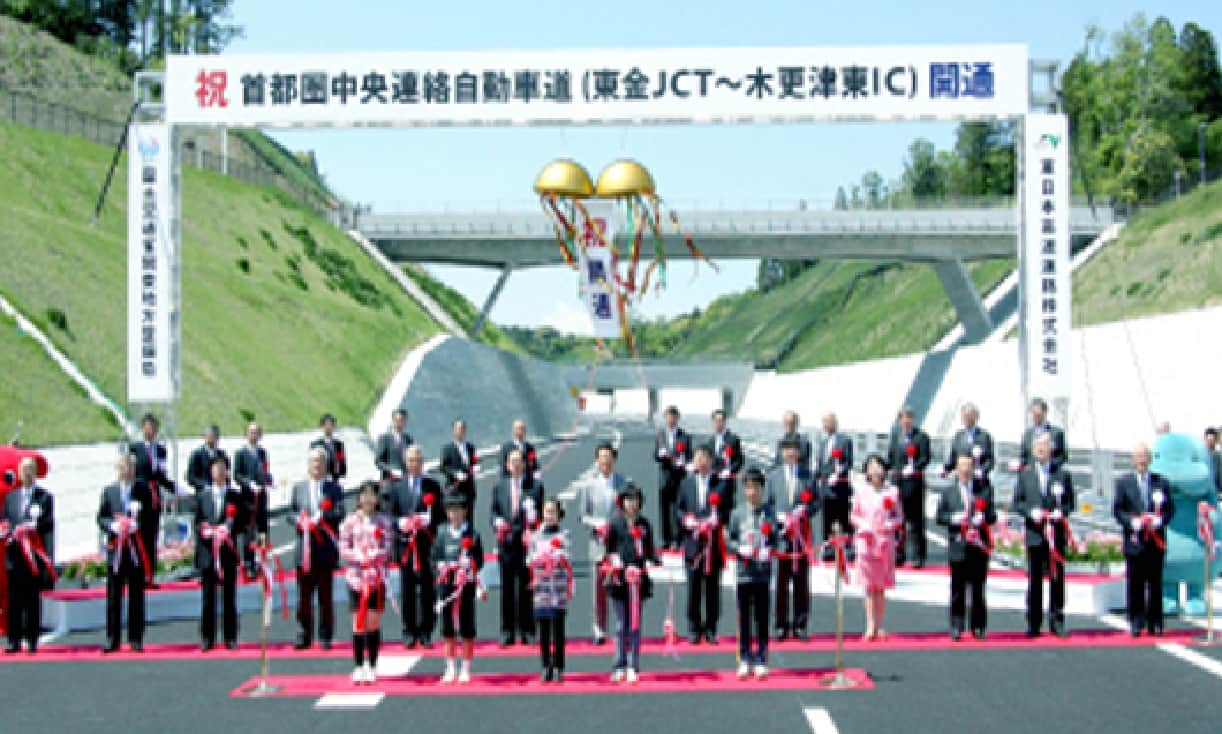
    Ken-O Road-O Expressway Togane JCT - Kisarazu Higashi IC opened

    The extension of the opening section is 42.9km. With this opening, it is expected that the formation of a wide area network will have the effect of curbing and decentralizing transit traffic, strengthening the road network in the event of a disaster, supporting tourism, and Large

    Tohoku Expressway
    Hanyu In-bound (in-bound line)
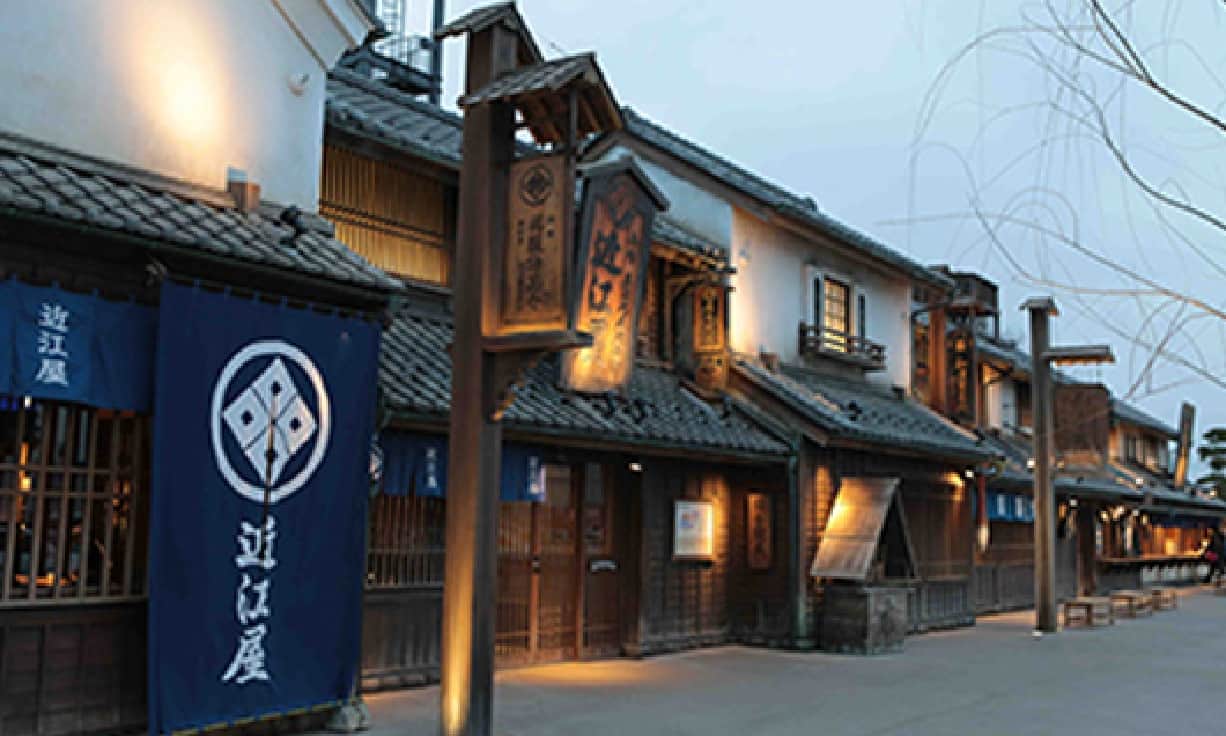
    Opened "Onihei Edodokoro"

    It will open in December as the second themed area following the "Yorii Hoshi no Ojisama Parking Area" on the Kan-Etsu Expressway Yorii Parking Area (In-bound line). With the theme of Edo centering on the world view of the period novel "Onihei Hankacho", we were particular about the cityscape, the design of the building, and the food and drink.

  • 2014

    Get off at Moriya SA on the Joban Expressway.
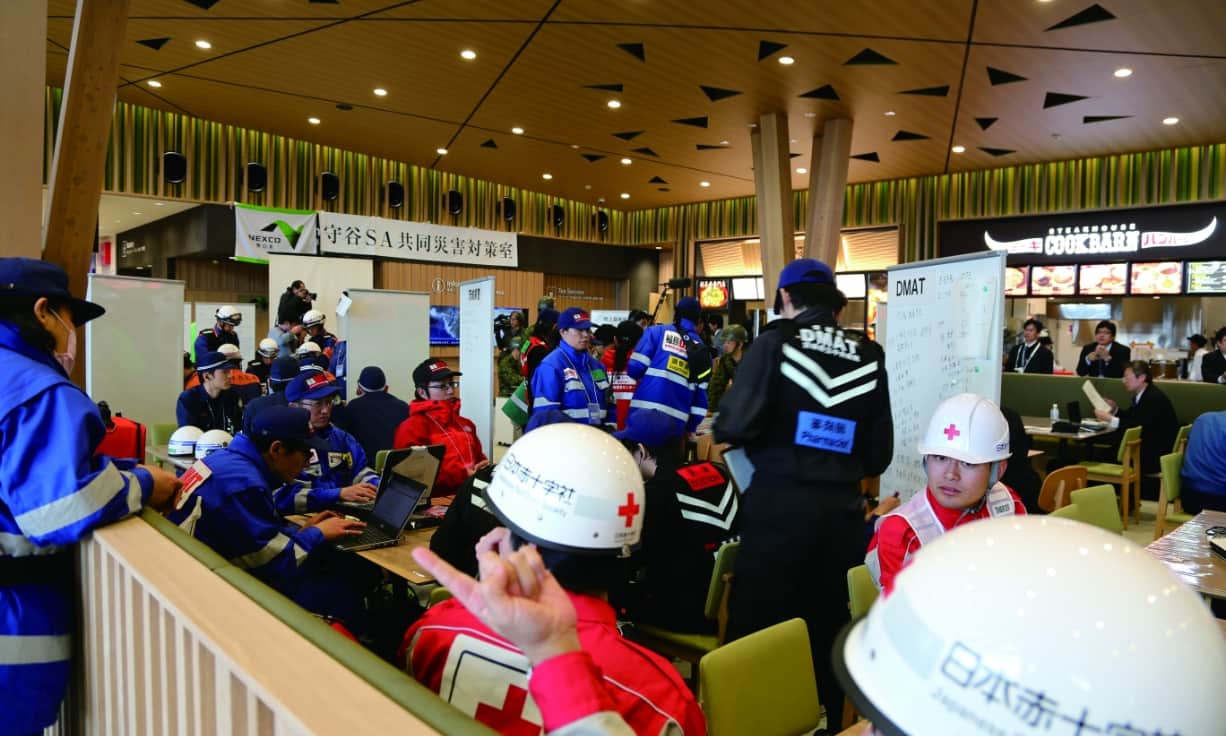
    Pasar Moriya opened

    In-bound line) opens as a flagship of "making a service area a disaster prevention base". In addition to the functions of the existing service area, a new service area has been created that also functions as a disaster prevention base in the event of an emergency.

  • 2015

    Joban Expressway
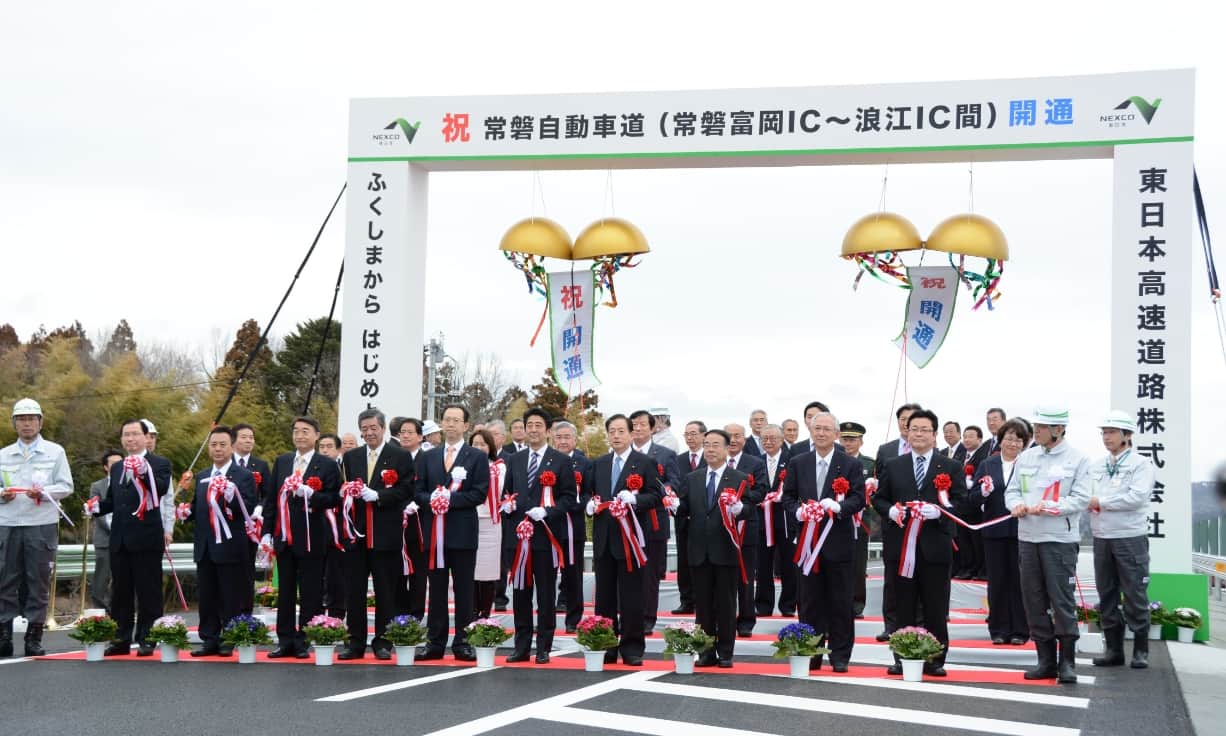
    Between Joban Tomioka IC and Namie IC
    opening
    (Opening of the entire Joban Expressway)

    With the opening of this road, a double network of the Tohoku Expressway Large the Joban Expressway was formed. is expected to speed up emergency medical care.

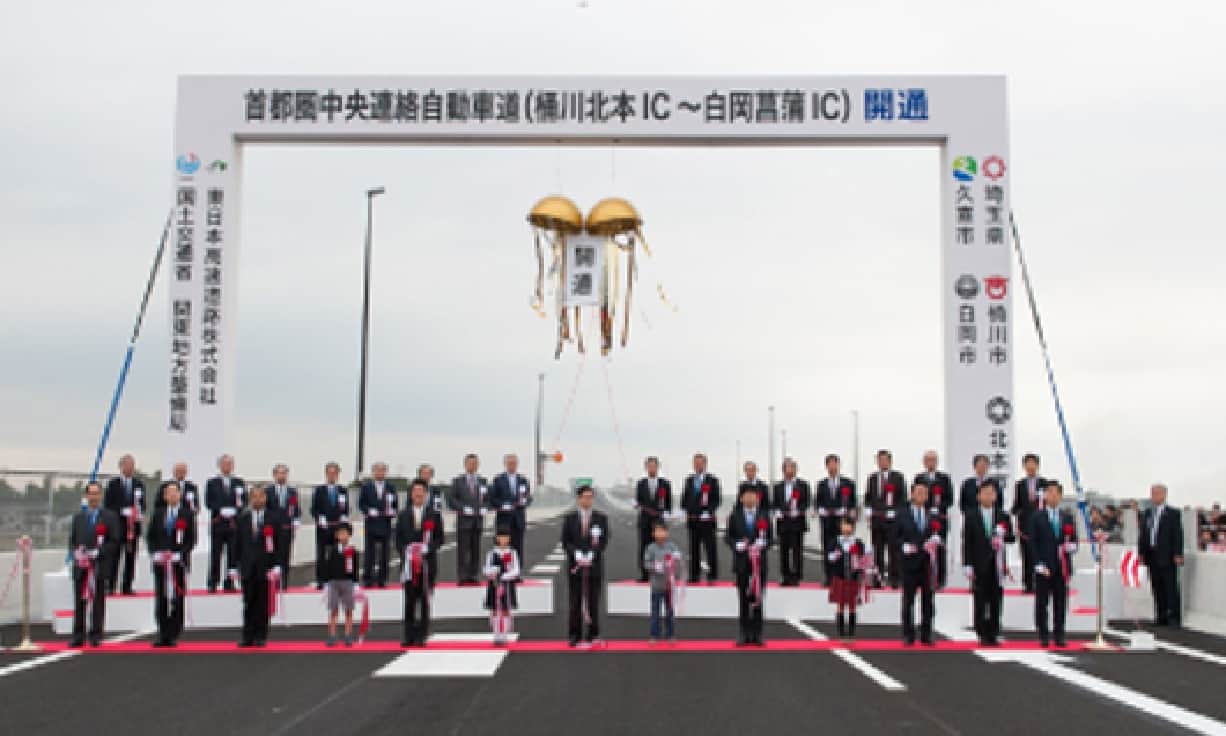
    Ken-O Ken-O Road Okegawa Kitamoto IC ~
    Between Shiraoka Shobu IC opened

    With this opening, Tohoku Expressway to Tomei, and it is expected to improve the convenience of road traffic as well as alleviate traffic congestion in the metropolitan area, improve the environment, and improve economic efficiency.

  • 2016

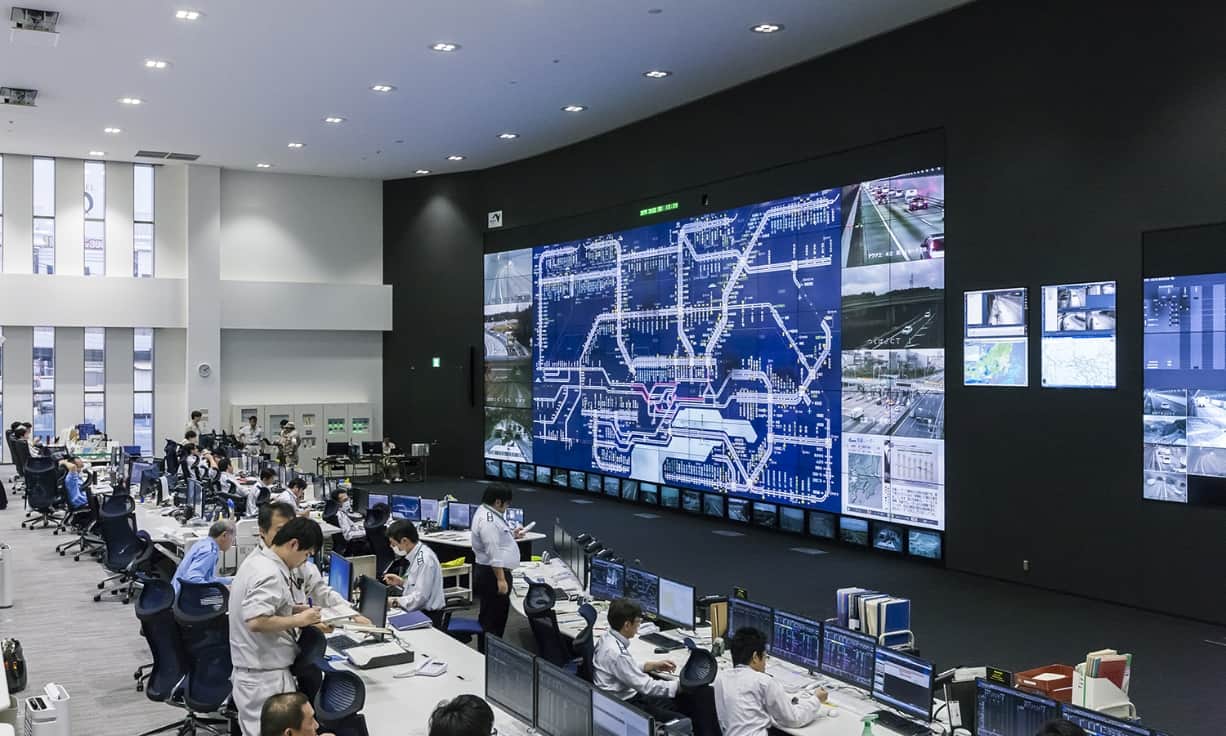
    Kanto Regional Head Office Road Control Center
    Renewal open

    By adopting the highest level of earthquake resistance standards, strengthening disaster prevention functions, and enhancing information provision so that road control operations can be performed even in the event of a large-scale disaster, it is safer, more secure, and more comfortable for customers than ever before.・ We will provide a convenient Expressway

  • 2017

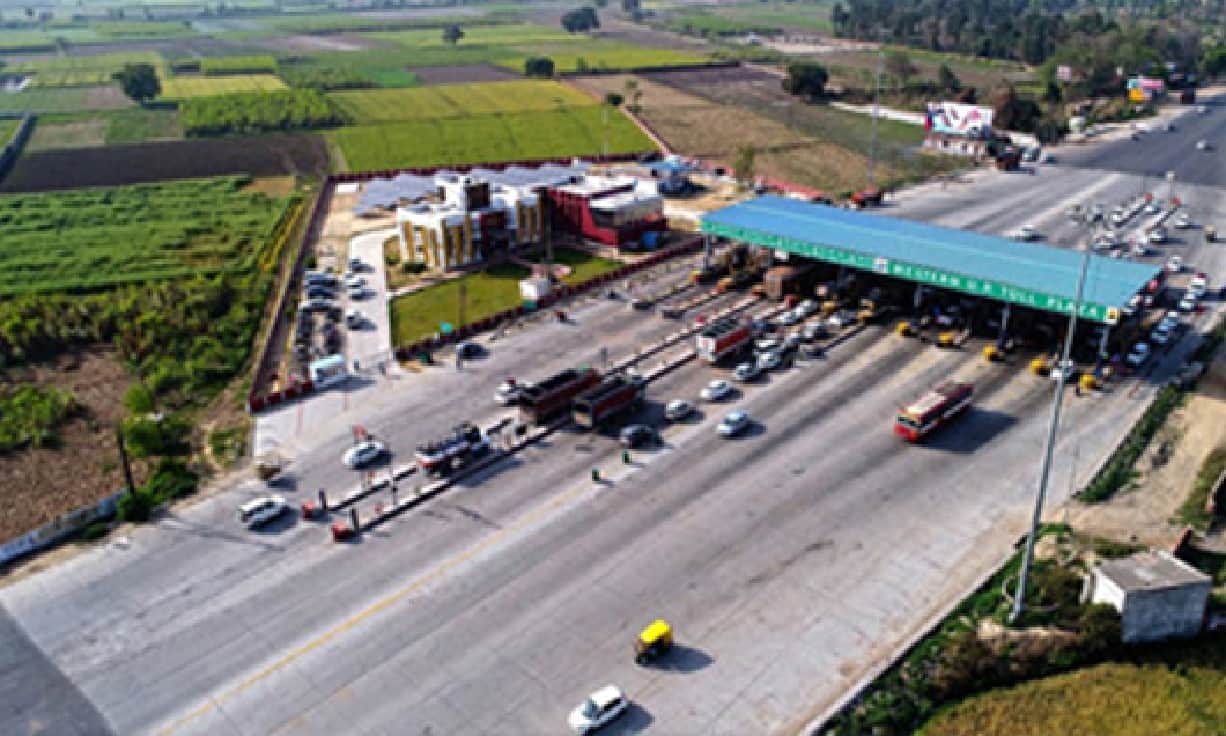
    First full-scale entry into Indian toll road operation business

    Formed a consortium with Mitsubishi Corporation and Overseas Transportation and Urban Development Business Support Organization, and jointly acquired a 20% stake in Indian toll road operating company Cube Highways and Infrastructure Pte. Ltd., and toll road operating business in the country. Full-scale entry into.

  • 2018

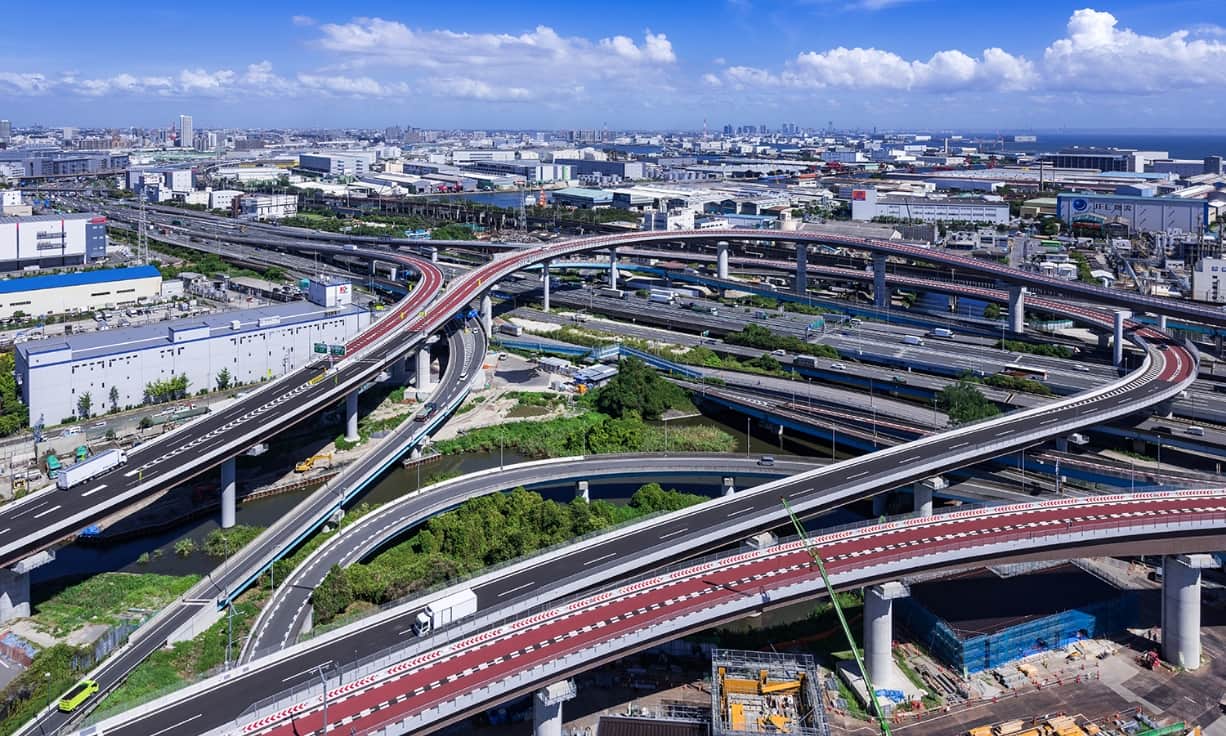
    Gaikan Expressway (Misato Minami IC)
    ~ Takaya JCT)
    opening

    With this opening, Gaikan Expressway was completed, and four radial roads (Higashi Kanto Expressway, Joban Expressway, Tohoku Expressway Expressway, and Kan-Kan-Etsu Expressway) were connected. The effect of the ring road was further manifested, such as making it possible to access various parts of the Kanto region from the coastal area of Chiba without passing through the city center, contributing to further improvement in convenience.

  • 2019

    Tohoku Expressway
    Hasuda service
    Area (In-bound line) open

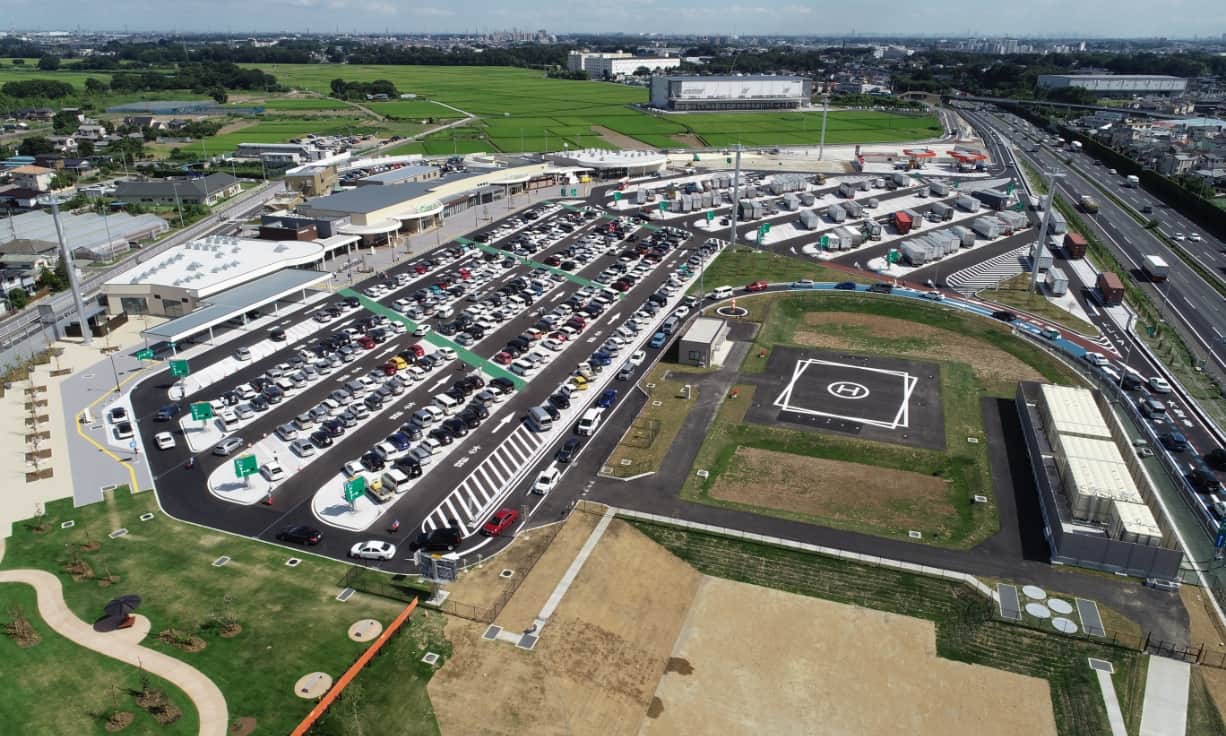
    Reopened as NEXCO EAST 's largest rest facility. At “Pasar Hasuda,” we have developed the “Shunsen Market,” a perishable zone consisting of fruits and vegetables, meat, and fresh fish, for the first time in SA/PA.
    We are responding to the shopping needs of customers who use the Expressway to stop by before returning home from travel destinations, and customers from nearby areas where they shop for daily ingredients.

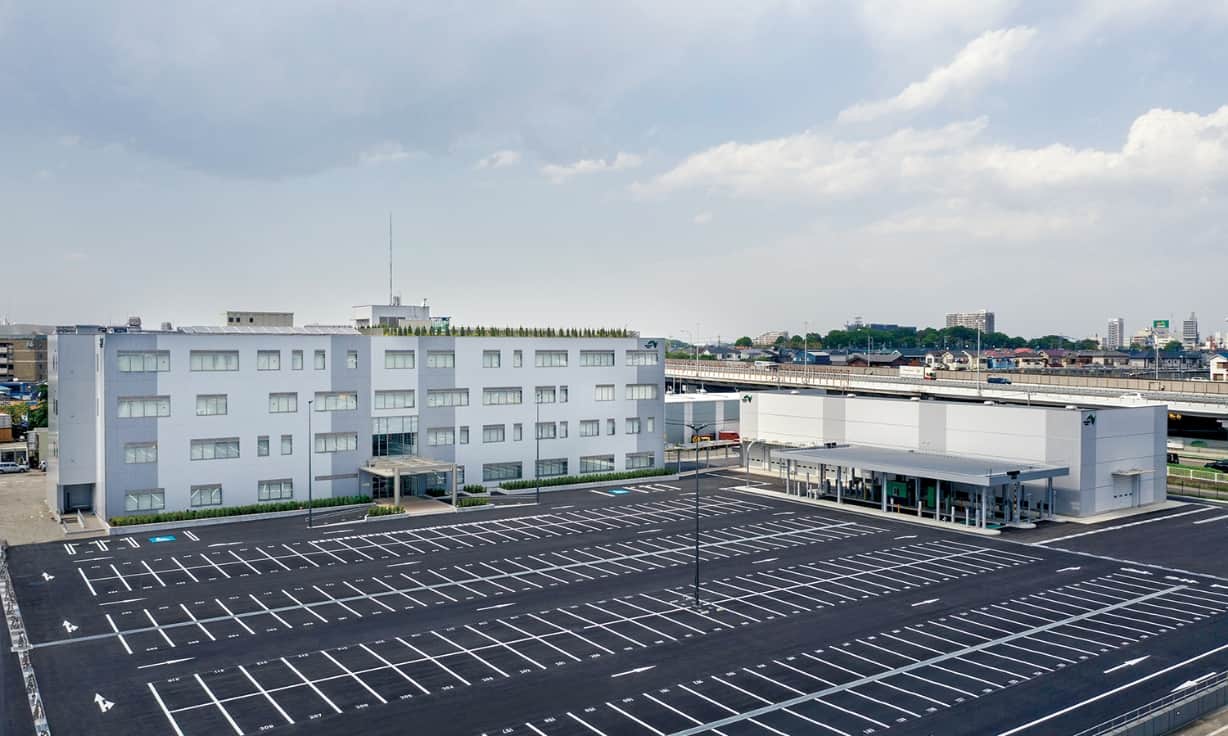
    NEXCO EAST General Technology Center opened

    While the Expressway jurisdiction has been extended to about 4,000 Expressway, the extension of the construction of the expressway is decreasing, and it is necessary to train engineers and promote research and technological development in response to the arrival of the full-scale maintenance era. .. In order to supplement the on-site experience and deepen the understanding of the deterioration mechanism of structures and the transition of technical standards, experience-based and hands-on training is important, so we have established a technical center.

  • 2020

    SMH Phase 1 operation started

    The first phase of the "Smart Maintenance Highway (SMH)" has started operation. In the first phase of operation, RIMS, which is the basis of digitized road management information, will be renewed, UI tools that centrally search and display information from multiple databases, BI tools that visualize inspection data, and all surroundings. We have introduced a road image system and so on. This project was taken up as a specific example of an important field in the "Road Digital Maintenance Strategy" announced by the Ministry of Land, Infrastructure, Transport and Tourism as an interim report on the maintenance of national roads (national management). is.

    SMH Development Roadmap

    Examination stage year Study contents
    project
    start
    Conception period
    2013 Announcement of SMH concept (2013.7.31)
    SMH promotion team established at Headquarters Management Business Headquarters (September 9, 2013)
    Phase 1
    Preparation period
    2014-
    2015
    SMH basic plan announced (2014.5.29)
    Universities and other research institutes and the announcement of the start of development programs
    (2014.11.26)
    Goal setting and implementation of technology development and research
    Phase 2
    Development period
    2016-
    2017
    Promotion of technology development, Large of on-site trials
    System development, prototype version trial (model office trial)
    Phase 3
    Verification period
    2018-
    2019
    SIP development completed (2019.2.28)
    Functional verification and improvement using model offices
    Development period 2020- SMH phase 1 operation start (2020.6.3)
    Started development for the second phase
  • 2021

    Aiming for next-generation Expressway
    concept announcement

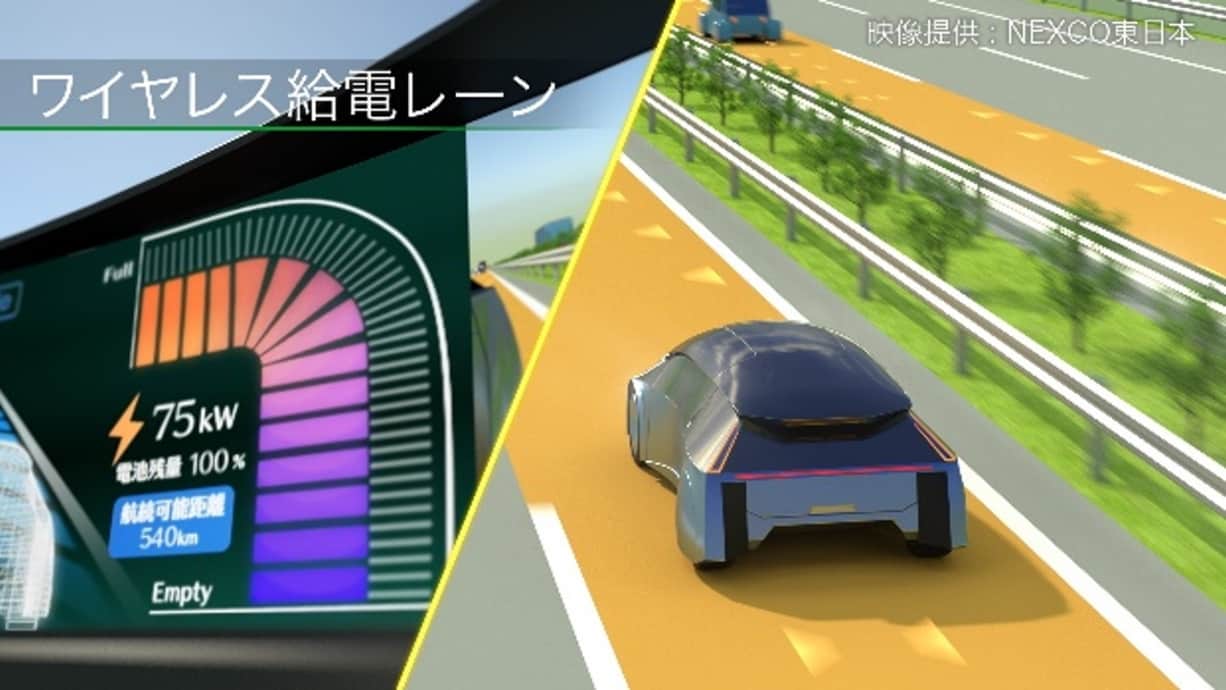
    In order to provide new mobility services aimed at sophisticating Expressway functions and services and solving social issues, we have compiled the "Aims for next-generation Expressway that accelerate the realization of an autonomous driving society". In anticipation of the future society, we set 10 goals for the next-generation Expressway that are related to each goal of the SDGs, and launched a "priority project" consisting of 31 items to achieve them.

History of Japan
NEXCO EAST wants to connect you to the future.